NGT gives six weeks to Shimla, Solan, Mandi DCs over polluting STPs
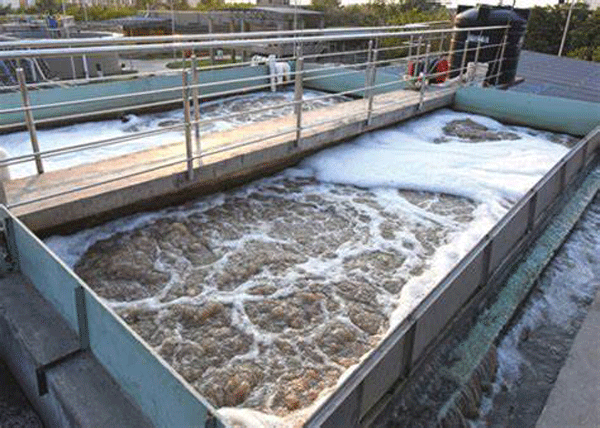
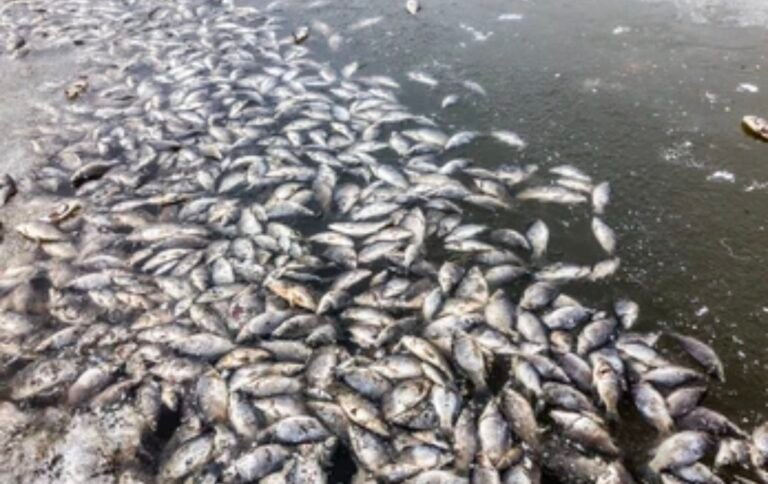
Photo used for indicative purpose only. Source: Internet
Shimla, Nov 24,
The National Green Tribunal’s Principal Bench has set a strict six-week deadline for the Deputy Commissioners of Shimla, Solan and Mandi to act against sewage treatment plants (STPs) found discharging untreated effluents into rivers across Himachal Pradesh. The direction came from the Bench of Justice Prakash Shrivastava, Chairperson, and Expert Member Dr. A. Senthil Vel on November 20, 2025, while hearing a suo motu matter triggered by media reports describing the Ashwani Khud as one of the state’s most polluted rivers. Reviewing the compliance affidavit submitted by the Jal Shakti Vibhag, the Tribunal took note of the admitted gaps in the state’s sewerage infrastructure. Out of 15 STPs monitored, 14 are operational while one—the BBMB-managed Pandoh STP—remains non-functional, according to the state’s affidavit. The department reported that 724.74 km of the approved 748.55 km sewerage network has been laid, but 96.41 km still remains unconnected.
Appearing before the Bench via video conference, JSV Chief Engineer Anju Sharma informed the Tribunal that “88% of the work of sewerage network connecting these STPs is over and only 12% work… is remaining” and sought six weeks to finalise a timeline for completing the remaining connectivity. The Tribunal allowed the request and directed the state to file an Action Taken Report within the same time frame.
During the hearing, counsel for the Himachal Pradesh State Pollution Control Board submitted that the Board had already written on 27 September 2025 to the Deputy Commissioners of Shimla, Solan and Mandi, asking them to initiate recovery of environmental compensation from defaulting STPs as arrears of land revenue. The Tribunal directed the Board to submit a progress report on these recoveries within six weeks, aligning it with the JSV’s reporting timeline. The matter has now been listed for the next hearing on February 12, 2026.
The Tribunal’s heightened scrutiny of sewer pollution in rivers such as Ashwani Khud is shaped by the memory of one of Shimla’s worst public-health crises. In 2015–16, Shimla suffered a massive jaundice (Hepatitis-E) outbreak, affecting more than 10,000 residents after sewage-contaminated water from the Ashwani Khud system entered the city’s drinking supply. The incident exposed severe structural deficiencies in the sewerage network and water-safety mechanisms, and continues to influence judicial monitoring of the region’s wastewater management today.
About the Author

The HimachalScape Bureau comprises seasoned journalists from Himachal Pradesh with over 25 years of experience in leading media conglomerates such as The Times of India and United News of India. Known for their in-depth regional insights, the team brings credible, research-driven, and balanced reportage on Himachal’s socio-political and developmental landscape.