Chiyog leads by example as Shimla all-weather Ice Skating rink project moves ahead
Shimla, Feb 18,
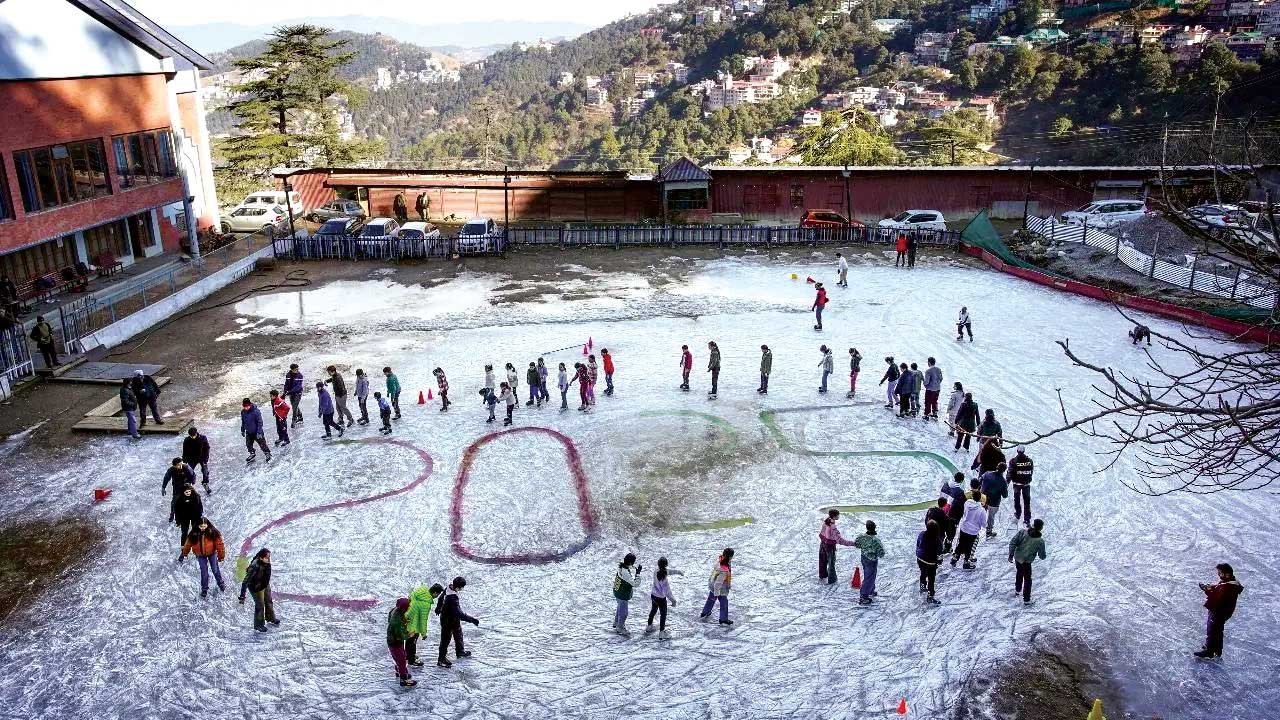
In the biting cold of early mornings, when most hill villages are still wrapped in mist, 84 young skaters lace up at Chiyog near Shimla and step onto a hand-built sheet of ice. What began as a community experiment has quietly evolved into Himachal Pradesh’s most active winter sports nursery — and, unintentionally, a mirror to the state’s stalled infrastructure story.
Over three years, villagers levelled a hilltop meadow dedicated to their local deity and created a 30×60 metre natural ice skating rink without government funding. Funds, machinery and labour were pooled locally. When snowfall was inadequate, water was poured manually each evening to ensure freezing overnight. Even now, maintaining the ice demands daily effort and coordination.
The results are measurable. Fourteen skaters from Chiyog competed in Open National Championships this season, while six featured in Khelo India events. An eight-year-old from the village has already secured National medals and an Asian-level bronze, claimed a media report. Structured coaching, fixed practice hours (7 am to 10 am), and off-ice conditioning sessions have ensured that talent is not left to chance.
Crucially, the number of skating sessions held at Chiyog this winter reportedly exceeded those at the historic Shimla rink (35).
That statistic leads directly to the second half of Himachal’s skating story.
For over a century, Shimla’s natural rink has been synonymous with winter sport. Established in 1920, it remains among Asia’s largest open-air natural rinks. But shrinking freeze windows, erratic snowfall and rising temperatures have reduced operational days drastically. Fewer ice sessions mean fewer competitive repetitions — and fewer athletes emerging at the national level.
The recent performance at the National ASHMITA Winter Games reflected that gap. Himachal’s skating contingent did not deliver the kind of results once associated with the state’s winter legacy. Also read:Historic rink, Hollow results: Why Himachal is falling behind in ice skating
Amid this backdrop, a senior official of the governing body has now confirmed that construction of the long-pending all-weather artificial rink in Shimla is likely to begin by March, this year, with completion targeted within two years. The Shimla Deputy Commissioner has also indicated movement toward execution.
If implemented on schedule, the artificial rink could fundamentally alter the training ecosystem. Unlike natural ice, an all-weather facility would ensure year-round skating sessions, structured calendars, professional coaching cycles and competitive preparation independent of climate volatility.
Yet the promise carries weight precisely because it has been heard before. Announcements regarding an all-weather rink have surfaced in previous years (Since 2009), but execution has not followed. This time, timelines and visible construction will determine credibility.
Chiyog’s story has already demonstrated that access and consistency produce athletes. Shimla’s proposed artificial rink, if realised, could complement that grassroots momentum and restore balance between legacy and performance.
Himachal’s skating future now rests between two models — one built by community will, the other dependent on administrative delivery. If both align, the state could reclaim a serious position in national winter sports.
For now, the clearest lesson comes from a village meadow: medals begin with ice time.
About the Author

The HimachalScape Bureau comprises seasoned journalists from Himachal Pradesh with over 25 years of experience in leading media conglomerates such as The Times of India and United News of India. Known for their in-depth regional insights, the team brings credible, research-driven, and balanced reportage on Himachal’s socio-political and developmental landscape.