NDMA’s high-alert move: Top officials to audit GLOF risk at Sissu Lake in Lahaul-Spiti

NDMA’s high-alert move: Top officials to audit GLOF risk at Sissu Lake in Lahaul-Spiti
Keylong/Manali, April 16,
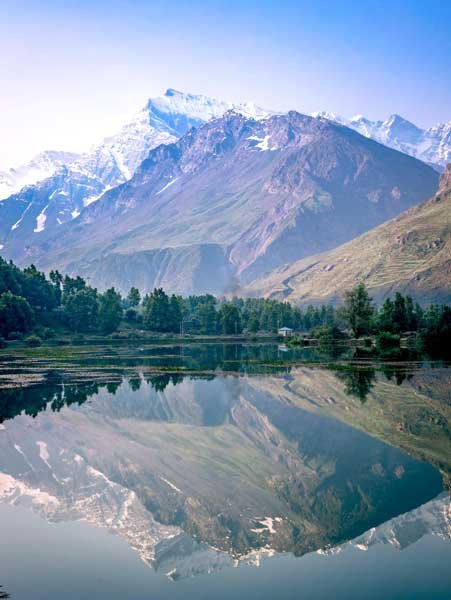
With rising concerns over glacial threats in Himachal Pradesh’s high-altitude regions, National-level intervention has now been triggered in Lahaul-Spiti. The National Disaster Management Authority (NDMA) is deploying its top leadership to Sissu Lake for a critical on-ground assessment of Glacial Lake Outburst Flood (GLOF) risks—an event that could have serious implications for local communities, tourism, and the strategic Manali-Leh highway corridor.
The three-day visit from April 15 to 17 is being positioned as more than a routine inspection. It is a real-time risk validation exercise, aimed at testing the effectiveness of the Early Warning System (EWS) installed at Sissu Lake—one of the vulnerable glacial sites in the region.
According to an official communication issued by the District Disaster Management Authority (DDMA) Kullu, NDMA Member Dr. Dinesh Kumar Aswal and Secretary Manish Bhardwaj (IAS) will lead the visit. The team will conduct live demonstrations, system simulations, and technical evaluations to assess how quickly and effectively warnings can be generated and communicated in the event of a glacial breach.
Also read:Hundreds of Himalayan Glacial lakes pose risk: NGT takes cognizance, seeks action from NIH and CWC
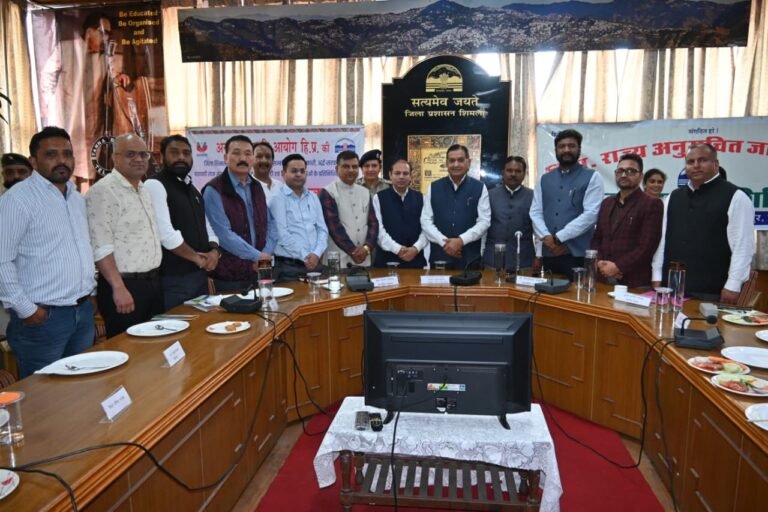
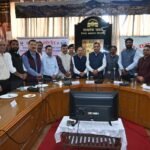
A high-level coordination meeting was also scheduled on April 16 at the SDM Office in Manali. Officials from key departments have been directed to attend with preparedness updates, particularly focusing on emergency response mechanisms, inter-departmental coordination, communication systems, and evacuation protocols.
Sources indicate that Sissu is being treated as a pilot site, and the findings from this visit could shape future policy decisions for other glacial lake zones across Himachal Pradesh. The exercise is expected to provide crucial data on system reliability, response timelines, and ground-level execution challenges.
GLOF events—sudden floods triggered by glacial lake breaches—pose a significant and growing threat in the Himalayas, especially amid accelerating glacier melt due to climate change. In this context, the NDMA’s intervention is being seen as a decisive step towards strengthening disaster preparedness and safeguarding vulnerable mountain ecosystems and populations.
About the Author

The HimachalScape Bureau comprises seasoned journalists from Himachal Pradesh with over 25 years of experience in leading media conglomerates such as The Times of India and United News of India. Known for their in-depth regional insights, the team brings credible, research-driven, and balanced reportage on Himachal’s socio-political and developmental landscape.