Shimla, Dec 17,
A scientific investigation by the Geological Survey of India (GSI) has concluded that the sinkhole incident at Bhatakhufar on the Kaithlighat–Shimla National Highway was not a natural phenomenon but the result of human-induced factors, primarily prolonged underground water leakage and vibrations caused by tunnel construction for the four-lane highway project.
In a detailed report submitted to Shimla Deputy Commissioner Anupam Kashyap, the GSI categorically described the road collapse as “purely anthropogenic”, ruling out natural subsidence. The study found that continuous leakage from two underground water pipelines weakened the subsurface soil over time, while tunnelling activities beneath the stretch acted as a significant aggravating factor.
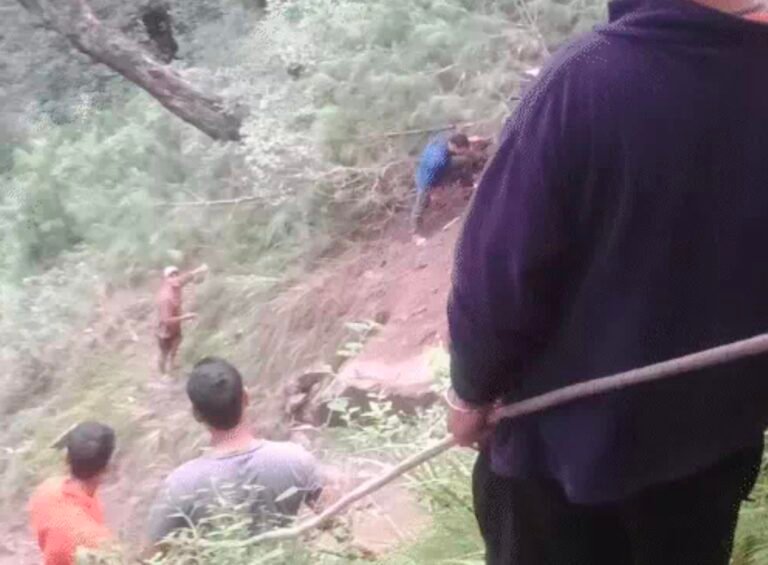
The incident occurred on November 22, when a Class student of Auckland School, Priyanshi, fell into a suddenly formed sinkhole along the roadside. She was rescued safely, but the incident sent shockwaves through the locality and intensified public anger over the execution of the highway project.
According to the GSI findings, the cavity measured approximately 2.2 metres in length, 1.5 metres in width and nearly four metres in depth. The report has recommended a complete ban on blasting activities in the area, though it allows tunnel work to continue through manual methods with strict safeguards.
Administration Seeks Accountability
Following the submission of the report, DC Anupam Kashyap directed the construction company to submit a detailed explanation along with geological, structural and safety survey records conducted since tunnelling began in March 2024. He underlined that protection of human life and property remains the administration’s foremost priority.
Several residential structures located within the tunnel’s influence zone have reportedly developed cracks. Administrative teams have already conducted site inspections, and while the construction firm will prepare a formal damage assessment, residents have been assured of assistance and compensation where warranted.
Jal Shakti Fixes Pipeline Fault
The Jal Shakti Department has meanwhile repaired the leaking pipelines after identifying a faulty reducer as the source of sustained water seepage. The department has also been asked to submit a comprehensive mapping of all underground pipelines in tunnel-affected areas to prevent recurrence.
Residents’ Protests Vindicated
Local residents, led by Govind Chitranta, former convener of the Himachal Pradesh House and Land Owner Protection Action Committee, have been protesting for weeks, alleging that unscientific tunnelling and poor oversight were endangering lives. Chitranta had repeatedly demanded an independent geological investigation into ground fissures and structural damage reported in houses located above the tunnel alignment.
The GSI findings have largely vindicated these concerns, strengthening residents’ demands for stricter monitoring and accountability.
NHAI Response Under Scrutiny
NHAI officials, including project representatives, have maintained that construction is being carried out as per approved norms. However, the GSI report has now placed both the executing agency and supervising authorities under scrutiny, especially with regard to risk assessment, water management and vibration control during tunnelling.
The episode has once again raised broader questions about infrastructure execution in fragile Himalayan terrain, where residents argue that speed-driven development must not come at the cost of safety and environmental stability.
About the Author

The HimachalScape Bureau comprises seasoned journalists from Himachal Pradesh with over 25 years of experience in leading media conglomerates such as The Times of India and United News of India. Known for their in-depth regional insights, the team brings credible, research-driven, and balanced reportage on Himachal’s socio-political and developmental landscape.