President petitioned over year-long vacancy of HP Chief Information Commissioner

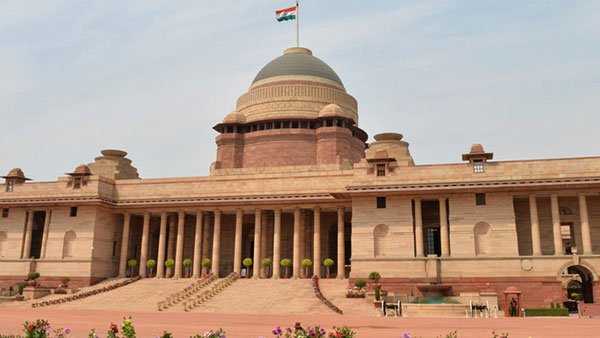
Photo used for indicative purpose only. Source: Internet
President petitioned over year-long vacancy of HP Chief Information Commissioner
Shimla, July 28,
The prolonged vacancy in the office of the Chief Information Commissioner (CIC) in Himachal Pradesh has reached the Rashtrapati Bhavan, with a Shimla resident petitioning the President of India, alleging that the State Government’s failure to fill the post for over a year has crippled the functioning of the Right to Information (RTI) regime in the state.
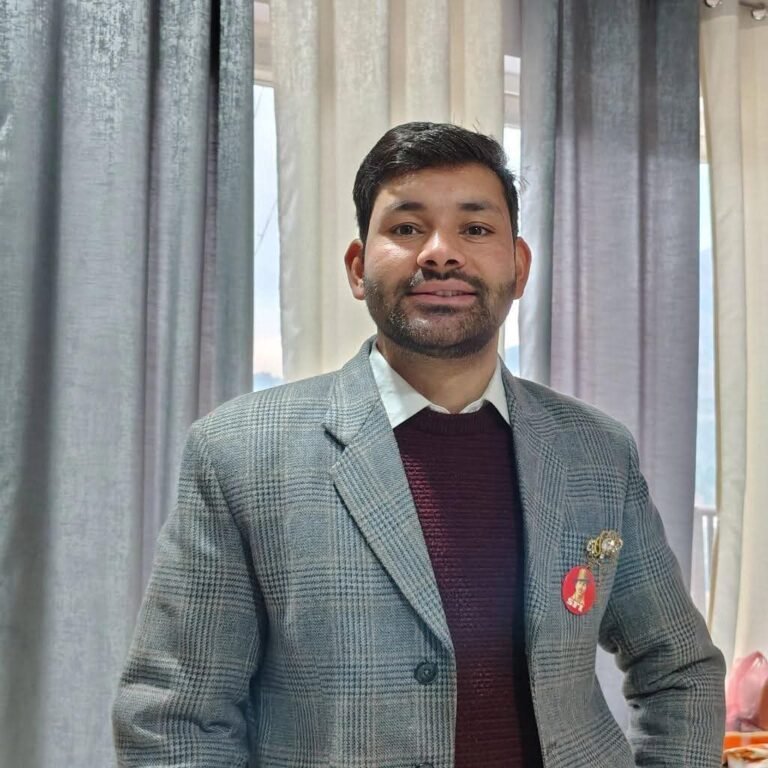
According to a copy of the representation addressed to President Droupadi Murmu, the petition was submitted by Shimla resident Capt Atul Sharma, who described the prolonged vacancy in the Himachal Pradesh State Information Commission (HPSIC) as a “serious abdication of constitutional duty” and sought the President’s intervention to ensure an immediate appointment.
The petition states that the office of the Chief Information Commissioner has remained vacant since July 2025, leaving the state’s apex RTI appellate body without leadership. It claims that the absence of a CIC has brought the hearing of second appeals to a standstill, delayed disposal of RTI cases, and resulted in a growing backlog of pending matters.
Also Read HC stays notification excluding Anti-Corruption Bureau from RTI Act
Sharma argued that the Right to Information is an integral part of the freedom of speech and expression guaranteed under Article 19(1)(a) of the Constitution, as recognised through judicial pronouncements. He contended that keeping the Commission without a Chief Information Commissioner for an extended period undermines the statutory framework created to ensure transparency and accountability in governance.
In the representation, Sharma urged the President, as the constitutional head of the Republic, to intervene and ensure that the State Government fulfils its statutory obligation by appointing a Chief Information Commissioner without further delay. He maintained that continued inaction weakens citizens’ access to information and affects the effective functioning of the RTI regime in Himachal Pradesh.
The petition also notes that the RTI Act, enacted during the UPA government’s tenure, was designed as a landmark transparency law to strengthen democratic accountability. It alleges that the prolonged vacancy in the State Information Commission has rendered the legislation ineffective in Himachal Pradesh by preventing timely adjudication of appeals.
The representation has been emailed to the President’s Secretariat and requests urgent action to restore the functioning of the Himachal Pradesh State Information Commission. The State Government had not issued any immediate response to the allegations contained in the petition.
Speaking on the issue, former HAS officer and Labour Commissioner D.K. Manta said that leaving such an important institution in limbo would render the Right to Information Act a “toothless law.” He said the RTI mechanism, conceived as an instrument to promote transparency and accountability, cannot function effectively if complaints against Public Information Officers and appellate authorities remain pending for years due to the absence of the Commission’s leadership.
Manta, who also served as Ombudsman under the MGNREGA scheme in Himachal Pradesh, said the RTI Act was enacted to ensure transparency in public administration and strengthen citizens’ right to seek accountability. He added that the Citizens’ Charter, which envisages time-bound redressal of public grievances, would also lose its effectiveness if the posts of the Chief Information Commissioner and Information Commissioners remain vacant for prolonged periods, leaving the State Information Commission without its top functionaries.
About the Author

The HimachalScape Bureau comprises seasoned journalists from Himachal Pradesh with over 25 years of experience in leading media conglomerates such as The Times of India and United News of India. Known for their in-depth regional insights, the team brings credible, research-driven, and balanced reportage on Himachal’s socio-political and developmental landscape.