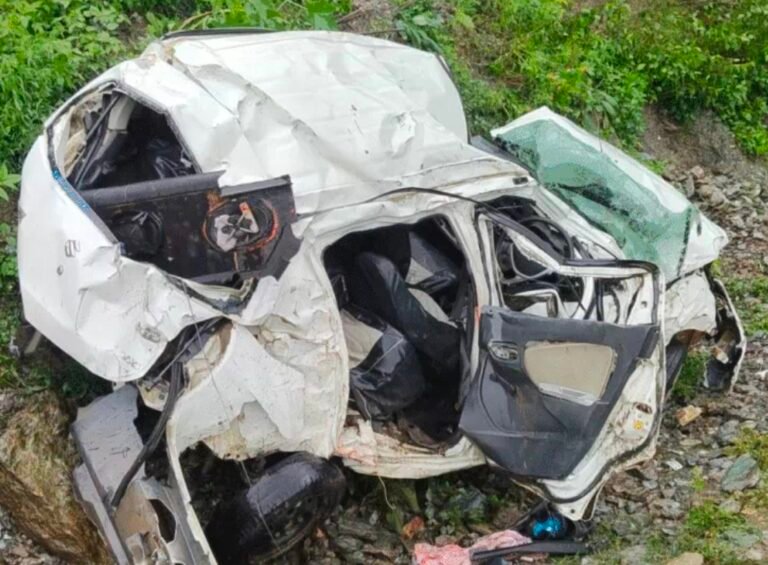
Chamba worst hit as monsoon fury batters HP; Jot receives 137.8 mm rain, around 100 roads cut off


Shimla/Chamba, July 28
Chamba district has borne the brunt of the ongoing monsoon as torrential rain triggered flash floods, landslides and widespread damage to roads, houses and public infrastructure.
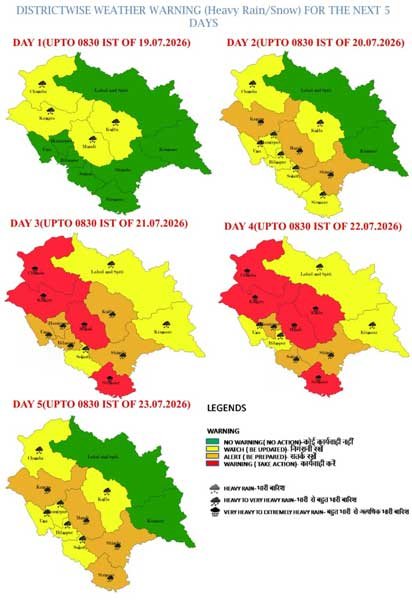
The India Meteorological Department (IMD) has warned that Chamba, Kangra, Kullu and Mandi districts are likely to witness heavy to very heavy rainfall till July 31, raising the risk of further landslides, flash floods and disruption to essential services.
The heaviest rainfall in Himachal during the past 24 hours was recorded at Jot in Chamba district with 137.8 mm, followed by Naina Devi (Bilaspur) 118 mm, Murari Devi (Mandi) 83 mm, Ghamroor (Kangra) 58.2 mm and Shimla 58.2 mm. Other major rainfall figures included Brahmani (Bilaspur) 54.6 mm, Jogindernagar (Mandi) 52 mm, Malraon (Bilaspur) 47 mm, Olinda (Bilaspur) 44 mm, Hamirpur 43 mm and Nagrota Suriyan (Kangra) 42.2 mm.
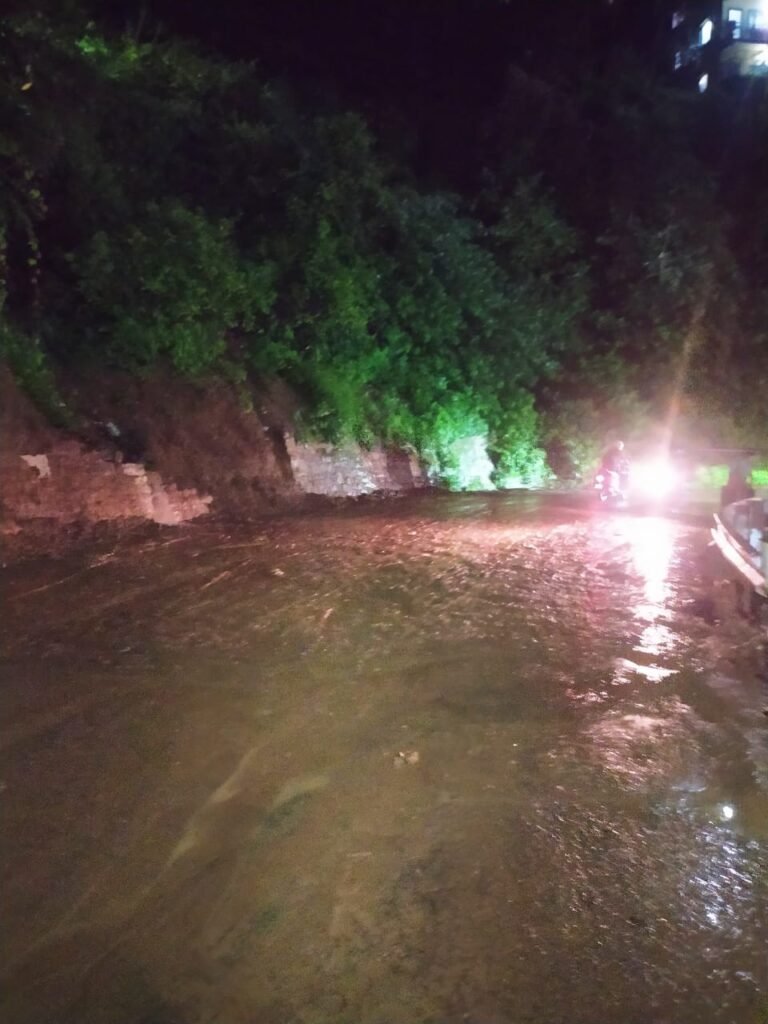
Late Monday night, Chamba town witnessed cloudburst-like conditions as heavy rain inundated Sarol, Ghurkari and Sultanpur localities. Mud and floodwater entered several houses and shops, while more than 10 vehicles were damaged. Chamba Degree College campus was also submerged under water and debris.
Also Read
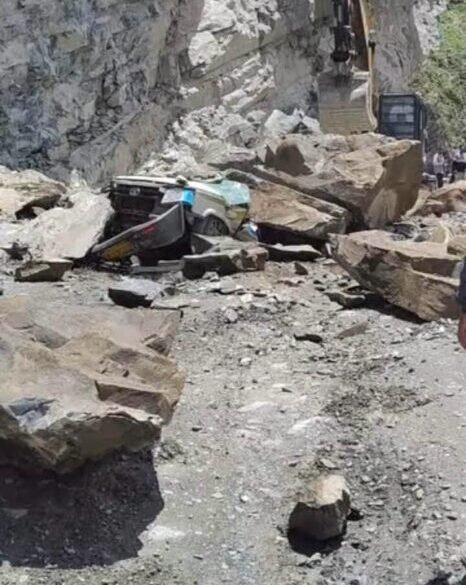
Monsoon rain prompts night traffic curbs by NHAI; Chamba boulder tragedy claims 13 lives
The Bharmour subdivision has been the worst affected, with around 100 link roads and major roads, including stretches of the National Highway, blocked due to landslides, falling boulders, muck and debris. The road closures have disrupted connectivity to remote villages and hampered the movement of essential supplies.
The IMD’s National Flash Flood Guidance Bulletin has identified Chamba, Kangra, Kullu, Mandi, Shimla, Sirmaur and Solan among districts facing a moderate flash flood risk over the next 24 hours, while Chamba is also under a persistent flash flood threat due to saturated catchments.
The National Disaster Management Authority and flood management agencies have advised district administrations and the public to remain prepared for sudden landslides, flash floods, disruption of roads, electricity and drinking water supply.
People have been urged to avoid unnecessary travel, particularly in vulnerable hill areas, until the intense monsoon spell eases.
About the Author