Civil society flags herbicide misuse after Forest Department action, seeks state-wide weed policy
Shimla, August 20
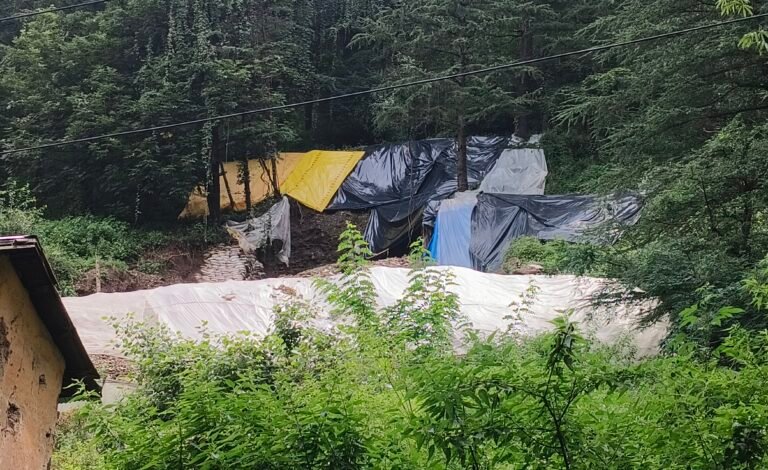
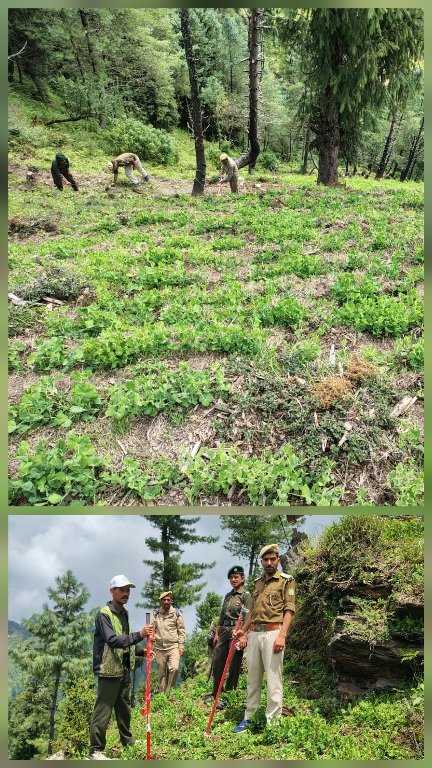
Civil society groups have alleged that the Himachal Pradesh Forest Department moved into action after a report published by Himachal Scape on Monday highlighted alleged clearing of forest vegetation through herbicides and subsequent cultivation of peas in the Thachi Range of Mandi district.
In a representation to Chief Minister Sukhvinder Singh Sukhu, the groups said the department’s subsequent action in taking control of and destroying pea fields was welcome, but maintained that the issue should not be confined to a few patches detected during patrolling.
The groups alleged that the authorities were attempting to downplay the larger issue by stating that field verification had not found evidence of extensive use of glyphosate or other herbicides. They said the absence of visible evidence at a particular location during a field inspection could not by itself rule out the use of chemicals at other locations or during an earlier period.
Also Read
The Forest Department, in its response to the report, had stated that its staff from Gadagusaini and Dahar Blocks of Thachi Range found pea cultivation in two to three small patches, each measuring less than one hectare, during regular patrolling in Daharghat Beat. The crops were destroyed by the patrolling team. The department also said that no spot indicating spraying of glyphosate or other weedicide, or extensive damage to forest vegetation caused by chemical spraying, was detected during field verification.
The civil society representatives have now demanded a comprehensive weed and herbicide policy for Himachal Pradesh, particularly for ecologically fragile forest and high-altitude areas. They have argued that the government needs to establish whether herbicides are being used to eliminate natural vegetation and facilitate unauthorised cultivation on forest land.
They also raised concern over the alleged online promotion of herbicides for vegetation clearance. According to the petitioners, advertisements and promotional material for certain chemical products are openly circulating on social media, including material allegedly associated with some Chinese firms, purportedly promoting such chemicals for clearing unwanted vegetation.
The groups said the government should verify the origin, composition, legality and intended use of products being promoted through such platforms rather than allowing their unrestricted circulation.
They pointed out that glyphosate and other herbicides can have phytotoxic effects on plants when improperly applied and alleged that some formulations are being marketed or used in ways that could facilitate the destruction of natural vegetation. They stressed that any such allegations should be scientifically investigated rather than either dismissed or accepted without verification.
The petitioners have sought a time-bound state-wide survey of forest areas suspected of unauthorised cultivation or chemical-based vegetation clearance, using drone and satellite imagery wherever necessary. They have also demanded strict action against those found encroaching on forest land and using herbicides for such purposes.
The representation further seeks block-level Forest Protection and Public Awareness Committees involving Panchayat representatives, environmentalists, citizens and retired forest and agriculture officials.
The groups said the Forest Department’s action following the Himachal Scape report should be treated as the beginning of a wider investigation rather than the closure of the issue. They urged the government to determine the actual scale of herbicide use and its possible impact on forest regeneration, soil health, biodiversity and water sources.
They also linked the demand to the state’s Mission 32 target of increasing forest cover, arguing that protection of existing forests must accompany efforts to expand forest cover.
The signatories said a transparent and science-based herbicide policy was urgently required to distinguish legitimate agricultural weed management from the deliberate destruction of natural forest vegetation for unauthorised cultivation.
About the Author