New Delhi, Sept 29,
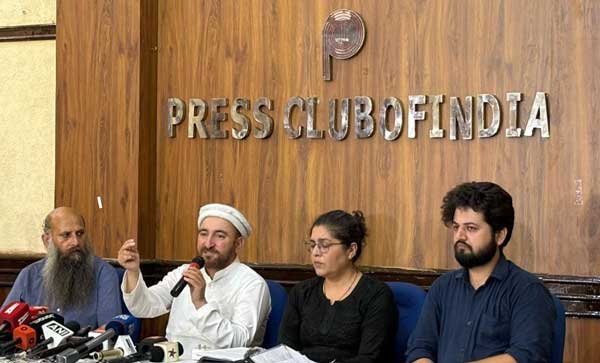
In a show of unprecedented solidarity, activists and community representatives from across the Himalayan states came together in the National capital under the banner of People for Himalaya, extending support to the ongoing movement in Ladakh and warning against a deepening climate and governance crisis in the fragile mountain region.
The collective, launched in 2024 after disasters in Himachal, Joshimath and Sikkim, said the arrest of renowned Ladakhi environmentalist Sonam Wangchuk under the National Security Act (NSA) and the violent crackdown on protestors in Leh was not only an attack on democratic rights, but also an attempt to silence the voices of the Himalayas.
“The people of Ladakh have been raising legitimate concerns about their rights, livelihoods and fragile environment. To respond with bullets and jail is nothing short of brutality against unarmed citizens,” said Sajjad Kargili of the Kargil Democratic Alliance. He demanded the immediate release of all arrested leaders and accountability at the highest levels.
On September 24, four people were killed and more than 80 injured after security forces opened fire on peaceful demonstrators in Leh. The campaign condemned the violence and sought a judicial inquiry, resignation of the Lieutenant Governor and the DGP of Ladakh, and withdrawal of all charges against protestors.
Also read:Himalaya Niti Abhiyan submits nine-point agenda for Assembly debate on disasters
But the collective stressed that the issue is not Ladakh’s alone. The monsoon disasters of 2025—from Uttarkashi and Joshimath in Uttarakhand to Mandi in Himachal, Kishtwar in Jammu, Siang in Arunachal, Ladakh and Sikkim—were cited as reminders of the wider Himalayan vulnerability.
“What happened in Joshimath was not just a natural disaster, it was the outcome of unregulated construction and blind development in an ecologically fragile zone,” said Atul Sati of the Joshimath Bachao Sangharsh Samiti. “Ladakh today is facing the same story, and so is every Himalayan state.”
Speakers argued that recurring floods, landslides and glacial melts are no longer isolated incidents but the compounded impact of climate change, reckless mega-projects and weakened safeguards. They pointed to the dilution of the Environmental Impact Assessment (EIA) norms and exemptions for projects such as the Char Dham highway expansion, dams, tunnels, and ropeways as aggravating risks.
“For years, communities have warned that climate change and deforestation are making our mountains unsafe. Yet governments keep prioritising four-lane highways, dams and mega solar parks over people’s safety,” said Manshi Asher of the Himdhara Collective.
The campaign also linked these environmental risks to failures in governance. It demanded strict enforcement of the Dam Safety Act (2022), restructuring of regulatory bodies like the Central Water Commission and State Disaster Authorities, and safe rehabilitation policies under the Disaster Management Act (2005).
“The Himalayas need decentralised governance and community consent at the core of all decision-making. Gram Sabha approval must be made mandatory for every project in these fragile zones,” added Anmol Ohri of Climate Front Jammu.
The People for Himalaya collective declared full support for the four-point Ladakh agenda, led jointly by the Leh Apex Body and the Kargil Democratic Alliance, including the demand for statehood and Sixth Schedule protection.
As disasters multiply, the movement emphasised that Ladakh’s struggle has now become a rallying point for the entire Himalayan belt. “From Joshimath to Ladakh, our message is clear—development cannot come at the cost of lives, rights and ecological survival,” the collective said in its closing statement.
About the Author

The HimachalScape Bureau comprises seasoned journalists from Himachal Pradesh with over 25 years of experience in leading media conglomerates such as The Times of India and United News of India. Known for their in-depth regional insights, the team brings credible, research-driven, and balanced reportage on Himachal’s socio-political and developmental landscape.