


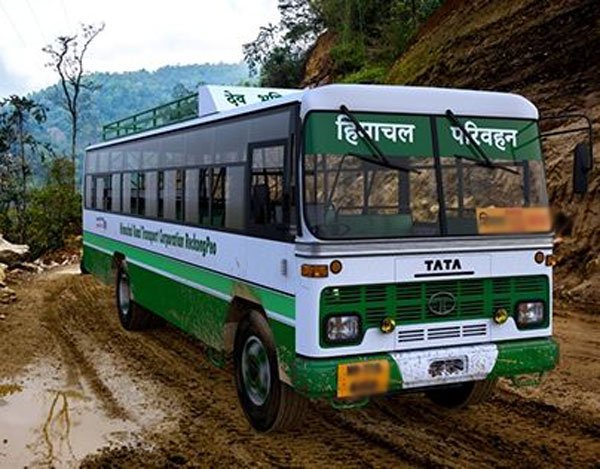
Photo used for indicative purpose only. Source internet
Shimla, Sept 24
The Himachal Pradesh High Court has directed the State to regularize contractual employees engaged through the Himachal Pradesh Horticulture Development Society (HPHDS), ruling that the society is under complete control of the government and its employees cannot be denied the benefit of regularization.
Justice Sandeep Sharma, while pronouncing a common judgment in over 60 clubbed petitions including the lead case Nitin Thakur v. State of Himachal Pradesh, observed, “For all intents and purposes, the petitioners are under the control of the State and hence beneficial government policies regarding regularization are applicable to them as well.” He held that this was a fit case to “lift the corporate veil” as the society was created and run by the government to execute its own projects.
The Court noted that although the petitioners had been appointed on contract through the society, they were performing duties in the Directorate of Horticulture, HPMC, Agriculture Marketing Board, and horticulture universities. “The Government of Himachal Pradesh exercises complete control over the society, as it is owned, controlled and funded entirely by the State Government,” the judge observed, emphasizing that recruitment was conducted by the Department itself and appointments approved by top officials.
Appearing for the petitioners, Senior Advocates Sanjeev Bhushan, Sunil Mohan Goel, and Lovneesh Kanwar, along with C.N. Singh, Dr. Nidhi Singh, Devender K. Sharma, Anshul Gandhi, Ramesh Chand, Rakesh Chauhan and others, argued that denial of regularization amounted to exploitation and artificial discrimination. They cited earlier cases where employees of similar societies like HIMURJA, Sarv Shiksha Abhiyan, and the Natural Resource Management Society had been absorbed and later regularized.
Advocate General Anup Rattan, assisted by Additional Advocates General Rajan Kahol, Vishal Panwar, B.C. Verma and Deputy Advocate General Ravi Chauhan, countered that the petitioners were society employees engaged under World Bank-funded projects and had no enforceable right to absorption. He argued that their services were co-terminus with the projects and distinguished them from earlier cases where societies were directly funded by the State.
Rejecting this contention, Justice Sharma relied on precedents including Sant Ram v. State of H.P., where similar employees were ordered to be regularized and the judgment upheld by the Supreme Court. The Court also referred to government policies framed in 2007, 2008 and 2009, which extended regularization after completion of two years of contractual service.
Directing the State to extend the same benefit to the petitioners, the Court concluded that they cannot be denied parity merely because they were shown to be working under a society. “Petitioners, though employed in a society and that too for a project, are actually employees of the State Government and working for the advancement of its policies for betterment of horticulturists in Himachal Pradesh,” Justice Sharma ruled.
About the Author

The HimachalScape Bureau comprises seasoned journalists from Himachal Pradesh with over 25 years of experience in leading media conglomerates such as The Times of India and United News of India. Known for their in-depth regional insights, the team brings credible, research-driven, and balanced reportage on Himachal’s socio-political and developmental landscape.













An fascinating dialogue is worth comment. I feel that you should write extra on this matter, it might not be a taboo subject however usually persons are not enough to speak on such topics. To the next. Cheers
You have brought up a very excellent points, thankyou for the post.
I have recently started a web site, the information you provide on this web site has helped me tremendously. Thanks for all of your time & work.
Thank you for sharing superb informations. Your site is so cool. I’m impressed by the details that you’ve on this site. It reveals how nicely you perceive this subject. Bookmarked this website page, will come back for extra articles. You, my friend, ROCK! I found just the info I already searched all over the place and simply could not come across. What a perfect web-site.
Some really superb information, Gladiolus I discovered this.
I have recently started a web site, the information you provide on this site has helped me tremendously. Thank you for all of your time & work.
I’ve been exploring for a bit for any high-quality articles or blog posts in this kind of area . Exploring in Yahoo I at last stumbled upon this website. Studying this info So i am happy to express that I have a very just right uncanny feeling I came upon just what I needed. I most definitely will make sure to don’t forget this site and give it a look on a relentless basis.
Wohh exactly what I was looking for, appreciate it for putting up.
You are my aspiration, I own few web logs and sometimes run out from to post .
**mitolyn**
Mitolyn is a carefully developed, plant-based formula created to help support metabolic efficiency and encourage healthy, lasting weight management.
Just wanna comment on few general things, The website style and design is perfect, the subject material is real good : D.
References:
Boardwalk casino https://amaanhivd707808.ageeksblog.com
References:
Legiano Casino Betrug http://wiki.desmume.org/api.php?action=https://moonlinky.com/taylorledb
References:
Leggiano Casino https://gitlab.com/-/external_redirect?url=https://g.i.ua/?userID=6897361&userID=6897361&_url=https://de.trustpilot.com/review/beyondjewellery.de
References:
Ligiano Casino https://forum.kw-studios.com
References:
Legiano Casino Spielautomaten https://alumni.unl.edu.ec/directorio/verexalumno/zKKAVnF130JBEcuTD9Cgk0wy0zxkTqLICMr6ekLlTkI/4817/1/aHR0cHM6Ly9kZS50cnVzdHBpbG90LmNvbS9yZXZpZXcvZWRlbGtyYW56LmRl
References:
Legiano Casino morrowind.ru
References:
Legiano Casino Treueprogramm dreamwar.ru
References:
Legiano Casino Alternative http://www.rubattle.net
References:
Legiano Casino Mindestauszahlung https://discuss.7msport.com
References:
Legiano Online Casino https://go.115.com/
References:
Legiano Casino Freispiele http://wapcenter.yn.lt
References:
Legiano Casino Verifizierung mcrpk.ru
References:
KingMaker Casino Echtgeld Einzahlung https://s.nas.vn
References:
KingMaker Casino Sofort Einzahlung https://link.1hut.ru/
References:
Kingmaker Casino Cashback https://url.pixelx.one
References:
Kingmaker Casino Cashback https://qr.dsd.edu.gh
References:
Hitnspin free spins sbv.wiki
References:
Monro Casino Mindesteinzahlung otshelniki.com
References:
Hit n spin casino 25 euro code https://myseldon.com
References:
Hit n spin casino bonus https://44.cholteth.com/index/d1?diff=0&utm_clickid=g00w000go8sgcg0k&aurl=http://notable.math.ucdavis.edu/mediawiki-1.21.2/api.php?action=https://de.trustpilot.com/review/der-wikinger-shop.de
References:
Hitnspin casino no deposit bonus http://taxref.i3s.unice.fr
References:
Hitnspin casino auszahlungslimit l2top.co
References:
Hit n spin casino no deposit bonus http://rodomontano.altervista.org/scarica.php?download=http://uchkombinat.com.ua/user/stemchick17/
References:
Hitnspin casino promo code https://plitkat.ru
References:
Hitnspin casino auszahlungsdauer https://board-de.drakensang.com/
References:
Hitnspin casino auszahlung erfahrungen http://parrots.ru/proxy.php?link=https://etuitionking.net/forums/users/feetwish1/
References:
Lollybet Casino Login https://board-bg.farmerama.com/
References:
Lollybet Casino Aktion homecamgirl.com
References:
Lollybet Casino Lizenz http://www.forosperu.net
References:
Lollybet seriös nashi-progulki.ru
References:
Lollybet Bonus ohne Einzahlung http://images.google.co.uk/
References:
Lollybet Aktionscode http://www.smartphone.ua/
References:
Best instant payid pokies australia real money https://www.toutsurlemali.ml
References:
Pokies net australia payid withdrawal https://indiemoviescreen.com/@poppyheilman3?page=about
References:
Lollybet seriös http://www.google.ac
References:
Lollybet legal https://volos-volos.ru/
Hello this is kind of of off topic but I was wanting to know if blogs use WYSIWYG editors or if you have to manually code with HTML. I’m starting a blog soon but have no coding expertise so I wanted to get advice from someone with experience. Any help would be enormously appreciated!
References:
Blackjack rules chart jobs.capsalliance.eu
References:
Lollybet Casino Bonus ohne Umsatzbedingungen http://share.pho.to
References:
Online pokies with payid australia real money noviny.sk
References:
Payid online pokies 83.viromin.com
References:
Australia online pokies payid 16.pexeburay.com
References:
Winnita Casino Einzahlung http://bbs.97wanwan.com/home.php?mod=space&uid=1467694
References:
Casanova Casino Einzahlung https://recruitmentfromnepal.com/companies/die-besten-paypal-casinos-2026-sicher-einzahlen-mit-bonus/
References:
Candy96 free spins http://garagesale.es/author/harrisona94
References:
Cryptologic Casino Bonus ohne Einzahlung https://s3.amazonaws.com/new-casino/Monro-Casino-Bewertung.html
References:
Boomerang Casino Login https://board-hu.darkorbit.com/proxy.php?link=https://m.2target.net/mindadelar
References:
Candy 96 online casino australia https://dubaijobsae.com/companies/candy96-casino-australia-your-premier-gaming-destination-down-under
References:
Swift Casino Bonus ohne Einzahlung https://bbs.tejiegm.com/home.php?mod=space&uid=1790207
References:
Casinova Einzahlung https://wikisoporte.fcaglp.unlp.edu.ar/api.php?action=http://image.google.com.cy/url?q=https://instantcasinodeutschland.de/
References:
Casino Bit Bonus ohne Einzahlung http://cse.google.com.sb/url?q=http%3A%2F%2Fwww.antoniopacelli.com%2F%3FURL%3Dhttp%3A%2F%2Fimages.google.co.ug%2Furl%3Fq%3Dhttps%3A%2F%2Finstantcasinodeutschland.de%2F
References:
Goldex Casino Bonus http://clients1.google.co.ma/url?q=http://www.fcterc.gov.ng/?URL=instantcasinodeutschland.de
References:
Holland Casino Test https://kaptur.su/proxy.php?link=https://card.addiscustom.com/louisediggs151
References:
Luck Casino Einzahlung http://rodomontano.altervista.org/scarica.php?download=https://card.addiscustom.com/rosalynleung99
References:
Monro Casino Test https://puurconfituur.be/?URL=https://ekardz.com/jacquettahardm
References:
Neosurf Casino Auszahlung https://pgxlod.loria.fr/describe/?url=http%3A%2F%2Fsc1.tapmycard.eu%2Ffranklin849235