Shimla, Nov 21,
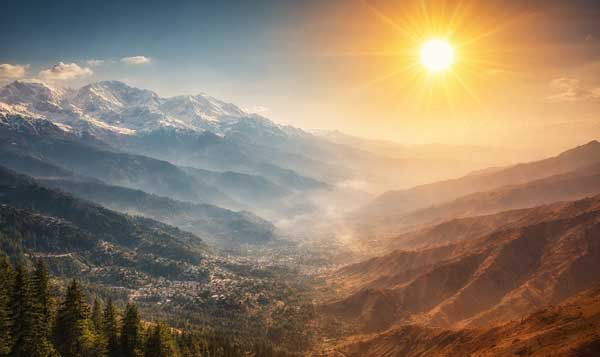
Himachal Pradesh is facing a combination of deteriorating air quality and falling night temperatures, creating increasingly unhealthy conditions for the general public. With the weather remaining predominantly dry and days turning sunny, the extreme dip in temperatures after sunset is emerging as a second major challenge, especially for vulnerable populations including senior citizens, children, and those with respiratory ailments.
According to recent assessments, the state’s overall Air Quality Index (AQI) stands at 107, placing Himachal in the ‘poor’ category. Pollution loads vary across districts. Baddi remains the worst-hit industrial zone with an AQI of 163, firmly in the ‘poor to very poor’ bracket. This continued red-zone status is largely attributed to industrial emissions, dust from badly damaged roads, and rising particulate matter caused by recent landslides around the region.
Shimla, which traditionally enjoys cleaner mountain air, has also recorded a concerning rise in pollution levels. The AQI in Shimla stood at 133, categorised as ‘unhealthy for sensitive groups’. PM2.5 concentration has reached nearly 48–50 µg/m³, several times above the World Health Organization’s recommended limits. Health advisories have urged residents—particularly asthma patients, those with bronchitis, and individuals with chronic heart disease—to limit outdoor activity during morning and late evening hours.
Adding to these concerns, the dry weather pattern and below-normal night temperatures across the hill districts are aggravating respiratory discomfort. Doctors report a spike in cold-induced chest allergies, dry cough, and breathing difficulties, particularly among asthmatic patients. With minimum temperatures in many mid-hill and high-hill stations dipping sharply, the combined impact of cold and pollution is straining normal life in both urban and rural belts.
Authorities have advised people to keep windows closed during peak smog hours, wear protective masks outdoors, and use room heaters or humidifiers to reduce dryness-related irritation. As winter deepens, the dual stress of pollution and cold is expected to intensify unless particulate levels improve.
About the Author

The HimachalScape Bureau comprises seasoned journalists from Himachal Pradesh with over 25 years of experience in leading media conglomerates such as The Times of India and United News of India. Known for their in-depth regional insights, the team brings credible, research-driven, and balanced reportage on Himachal’s socio-political and developmental landscape.