Old photo. Used for indicative purpose only
Shimla, July 19,
Once hailed as the cleanest city in Himachal Pradesh, Shimla has seen a dramatic fall from grace. In the Swachh Survekshan 2024-25 rankings, the Queen of Hills has slipped to third place within the state and tumbled to a dismal 347th position nationally. Once a benchmark for scenic beauty and urban upkeep, Shimla has now been outperformed by smaller towns like Theog and Nadaun, bringing into sharp focus its deteriorating civic infrastructure, haphazard urban expansion, and mismanaged waste systems.
Observers and citizens alike point to a persistent lack of vision that has plagued successive governments—both the previous BJP administration and the current Congress-led Municipal Corporation. Despite crores being allocated for advanced sanitation machinery and smart cleaning initiatives, the ground reality tells a different story. Door-to-door garbage collection remains inconsistent, liquid waste treatment is poorly managed, and alleged irregularities in sewage and solid waste handling have further tarnished the city’s reputation. The corporate-based sewage treatment plants, once touted as a solution, remain largely non-functional. Meanwhile, Shimla continues to function without a designated slaughterhouse after the much-hyped modern facility at Krishna Nagar was shelved two years ago.
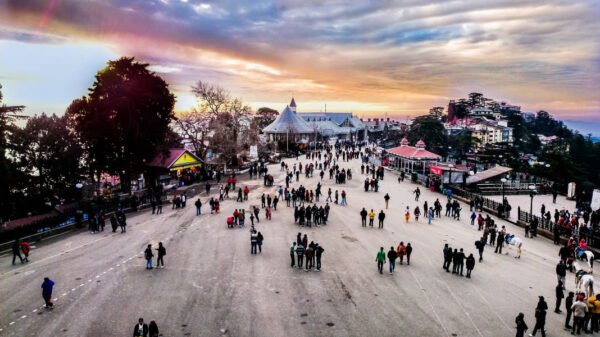
The heart of the city—Mall Road, the Ridge, Sabzi Mandi, and key vending areas—now bears visible signs of neglect. Overflowing garbage bins, encroachments by unauthorized vendors, and a lack of structured waste disposal mechanisms have become common. Popular public events, including food festivals and cultural fairs on the iconic Ridge, contribute significantly to the filth. With dustbins spilling over, stray dogs and monkeys scavenge through the mess, further complicating waste management.
While there have been marginal improvements in cleanliness within residential colonies and marketplaces, critical lapses in areas such as source-level waste segregation, construction debris disposal, and maintenance of drinking water sources have pulled down the city’s overall score. Out of a total of 7,500 points, Shimla could garner only 4,798, raising serious questions about administrative efficiency and long-term planning.
In the face of growing criticism, a senior official from the Municipal Corporation, requesting anonymity, stated that the city plans to contest the survey results, alleging procedural discrepancies. “There seems to be an issue with the assessment methodology. Shimla has made commendable progress in many areas, yet the scores do not reflect this,” the official claimed.
What makes the fall even more glaring is the trend of Shimla’s consistent decline over the years. From an impressive 56th position in 2022, the city fell to 188th last year and now ranks 347th. Civic apathy, unchecked urban sprawl, and the crumbling accountability framework threaten to undo decades of reputation-building. Without urgent and sustained intervention, Shimla risks losing not only its place in cleanliness rankings but also its cherished status as a city that once symbolized pristine charm amidst the hills.
About the Author

The HimachalScape Bureau comprises seasoned journalists from Himachal Pradesh with over 25 years of experience in leading media conglomerates such as The Times of India and United News of India. Known for their in-depth regional insights, the team brings credible, research-driven, and balanced reportage on Himachal’s socio-political and developmental landscape.