Virbhadra Singh: A legacy built on roads, schools and public trust

Virbhadra Singh: A legacy built on roads, schools and public trust
I D Bali/Shimla, June 23,
Few leaders in modern Indian politics have left as deep and enduring an imprint on their state as Virbhadra Singh. During a political career spanning more than five decades and six terms as Chief Minister, he played a central role in shaping the developmental trajectory of Himachal Pradesh. Yet his popularity rested on more than infrastructure projects or electoral victories. At the heart of his appeal was a simple belief: the government exists to serve the people, not to rule them.
Virbhadra Singh often described the government as a servant of the people rather than their ruler, and throughout his career he sought to put this principle into practice. For thousands of Himachalis, particularly those living in remote areas, he was not merely a politician but a leader who listened to their concerns and acted upon them. His public grievance hearings and direct engagement with citizens became hallmarks of his style of governance. Whether in Shimla or during extensive tours of distant valleys, ordinary people could approach him with their problems. His accessibility earned him immense trust, especially among rural communities. He was known for extending assistance to those facing medical emergencies, marriage expenses, losses caused by natural calamities and numerous other hardships.
Development with a human face
Virbhadra Singh believed that development could not be confined to urban centres while villages remained deprived. He therefore pursued a model of decentralized growth aimed at bringing essential services to every corner of Himachal Pradesh.
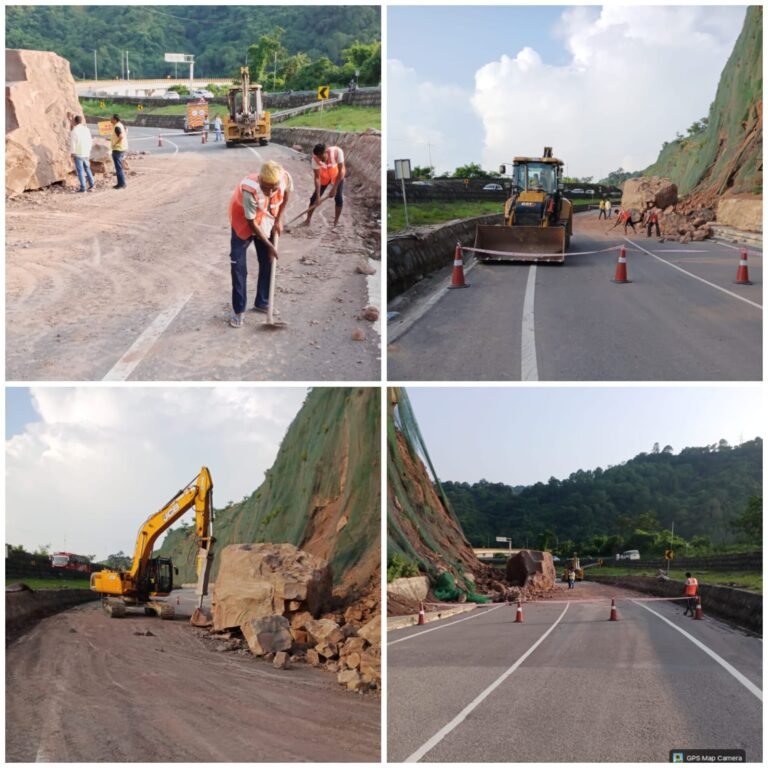
Among his most significant contributions was the expansion of road connectivity in remote districts such as Kinnaur, Chamba, Kullu and Lahaul-Spiti. In a mountainous state, roads are far more than construction projects; they are lifelines connecting communities and opening avenues of opportunity. Improved connectivity transformed the lives of farmers and apple growers by enabling easier access to markets in Chandigarh, Delhi and beyond. He consistently maintained that development should reach even the most sparsely populated regions and viewed connectivity as a basic necessity.
Also read HP polls in a post-Shanta, Virbhadra & Dhumal Era
Education was another key pillar of his governance. Schools and colleges were established in rural and tribal areas, reducing the need for students to migrate in pursuit of higher education. This proved particularly beneficial for young women from economically weaker families, allowing them to continue their studies closer to home.
Healthcare received similar attention. His governments strengthened networks of Primary Health Centres and Community Health Centres across rural Himachal. Welfare initiatives through the State Red Cross Society also provided assistance to economically weaker and tribal families through medical support, ambulance services and other essential aid. His approach reflected the belief that healthcare should not depend on geography or income.
Champion of rural Himachal
Virbhadra Singh devoted considerable attention to small and marginal farmers who form the backbone of Himachal’s economy. Through irrigation projects, horticultural expansion and support for apple growers, he helped strengthen rural livelihoods. Water supply schemes and lift irrigation projects reduced vulnerability to climatic uncertainties, while horticultural policies contributed significantly to establishing Himachal Pradesh as one of India’s leading fruit-producing states.
What distinguished him from many contemporaries was his emphasis on implementation. Once he committed to a project, he pursued it with determination, regularly reviewing progress and addressing bureaucratic hurdles. For him, unfinished projects represented a breach of public trust and a waste of public resources.
Even in his seventies and eighties, he maintained an exceptionally demanding work schedule, often working late into the night and travelling extensively across difficult terrain. He frequently remarked that “the public is my tonic,” reflecting the deep bond he shared with the people.
Like all major political figures, he had his shortcomings. Critics questioned the fiscal impact of some welfare-oriented decisions and occasional announcements made in response to local demands. Yet these shortcomings stemmed largely from the same qualities that endeared him to the public—his emotional investment in people’s welfare and his refusal to remain detached from their concerns.
Ultimately, Virbhadra Singh’s legacy extends far beyond politics. He transformed governance into a mission of public service and viewed development as an instrument of social justice. His enduring memorial lies in the roads that connect remote villages, the schools that educate rural children, the healthcare institutions that serve distant communities, and the lasting affection of the people whose lives he helped improve. In that sense, he remains one of the principal architects of modern Himachal Pradesh and among its most respected leaders.
(The author is a Senior Advocate. The views and opinions expressed in this article are solely those of the author and are personal in nature.)
About the Author

The HimachalScape Bureau comprises seasoned journalists from Himachal Pradesh with over 25 years of experience in leading media conglomerates such as The Times of India and United News of India. Known for their in-depth regional insights, the team brings credible, research-driven, and balanced reportage on Himachal’s socio-political and developmental landscape.