Shimla, Nov 21
For residents of the remote valleys of Lahaul-Spiti in Himachal Pradesh and Zanskar in Ladakh, winter has long meant months of isolation as heavy snowfall shuts down mountain passes and disrupts road connectivity.
However, the ongoing construction of the 4.1-km Shinkula Tunnel is raising hopes of a more reliable road link between these geographically isolated regions, potentially transforming transport, tourism and strategic mobility in the high Himalayas.
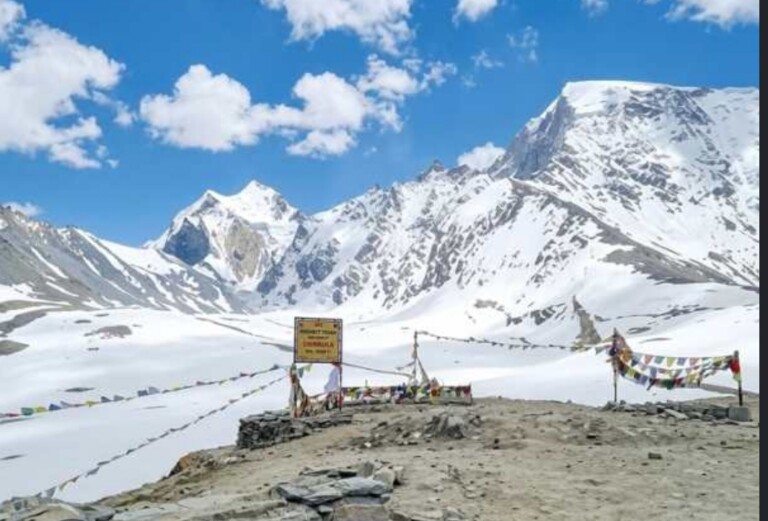
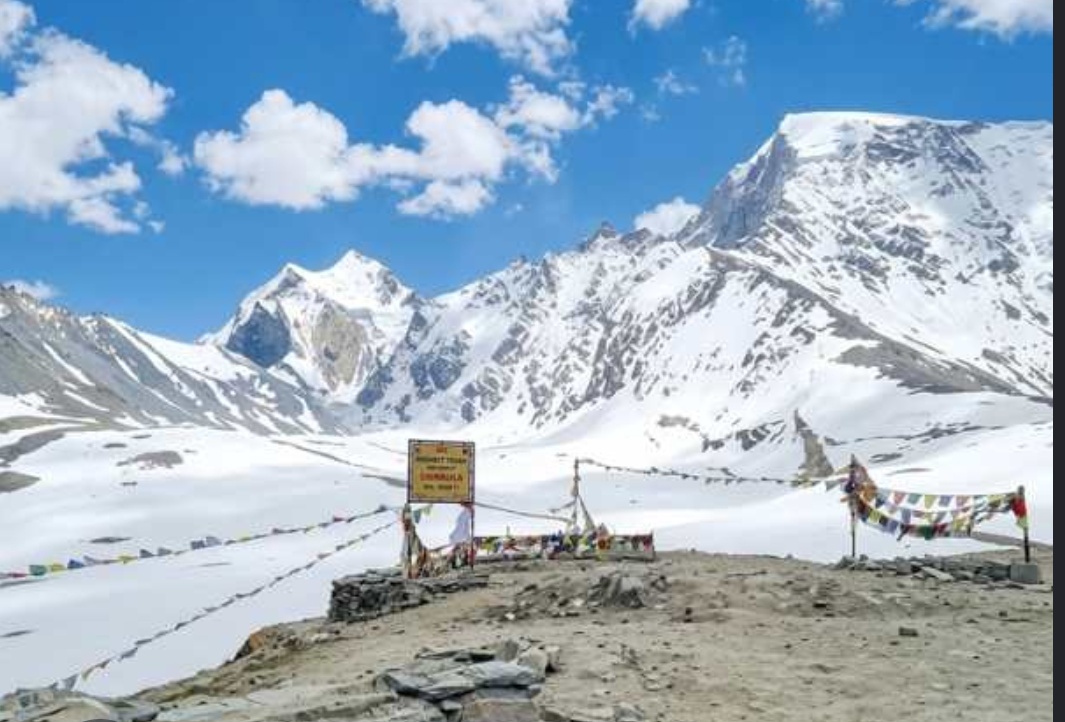
Despite temperatures plunging to minus 10 degrees Celsius and extremely difficult working conditions at an altitude of around 16,580 feet, construction of the twin-tube tunnel beneath Shinkula Pass in the Zanskar Range is progressing.
The project, being executed by the Border Roads Organisation (BRO) through Dhariwal Buildtech Limited, involves an estimated investment of Rs 1,500 crore and is targeted for completion in 2027.
According to a report, engineers and workers are continuing construction despite freezing temperatures, reduced oxygen levels and the risk of altitude-related illnesses. Workers have been deployed in different shifts to maintain construction activity and meet the project deadline.
The importance of the tunnel goes beyond infrastructure development. For decades, the remote settlements of Lahaul-Spiti and Zanskar have remained vulnerable to prolonged winter isolation.
The Manali-Leh highway, passing through high mountain stretches including Baralacha La and Sarchu, generally remains closed for four to six months because of heavy snowfall and extreme weather.
The proposed tunnel is expected to provide an alternative all-weather corridor connecting Lahaul with Zanskar and further towards the wider Ladakh region.
It could substantially reduce the dependence of these areas on high mountain passes, although severe snowfall, extreme weather and other operational challenges may still affect road movement.
Its completion would not necessarily mean unrestricted traffic throughout the winter, particularly during extreme weather conditions. However, it could extend the period of road accessibility and facilitate movement during much of the year when conventional mountain routes remain closed.
The project also carries considerable strategic importance because of its proximity to sensitive border areas.
According to Retired Brigadier Khushal Thakur, with expression of international infrastructure it is important to improve road connectivity towards the China border in the country as tunnel would facilitate deployment of military personnel, equipment and essential supplies during emergencies.
He also advocated the construction of similar tunnels at Baralacha La and other high-altitude mountain passes, arguing that alternative underground road corridors would strengthen logistical preparedness during natural disasters and other emergencies.
The tunnel alignment was also revised during the planning process. The initial proposal envisaged a southern portal near Patseu and Shinkula, but this would have required nearly seven kilometres of additional road construction and increased the tunnel’s length, expenditure and completion time. The alignment was subsequently modified to take the tunnel directly beneath Shinkula Pass.
Beyond defence requirements, the project could open new economic possibilities for the remote settlements of Lahaul and Zanskar.
Also Read High reaches of Lahaul-Spiti have first snowfall of season
Improved connectivity would facilitate the transportation of essential commodities, access to healthcare and education, and movement of local residents. It could also encourage tourism between Manali, Lahaul, Zanskar and Ladakh, creating fresh opportunities for local businesses.
For these high-altitude Himalayan communities, where geographical isolation has historically dictated the rhythm of life, the Shinkula Tunnel represents more than another highway project.
It offers the prospect of reducing winter isolation and establishing a more dependable transport link between two remote regions separated by formidable mountain terrain.
About the Author

Himachal ki har badi khabar, sabse pehle aapke paas
Breaking news, local updates aur exclusive stories — seedha WhatsApp ya Email par. Free. No spam.
WhatsApp Alerts
Instant news seedha aapke phone par. Ek click me subscribe karein.
Subscribe on WhatsAppEmail Newsletter
Har nayi post ka link aapke inbox me. Kabhi bhi unsubscribe karein.