Monk’s protest death brings international scrutiny on China’s Human Rights obligations
Shimla, Aug 27,
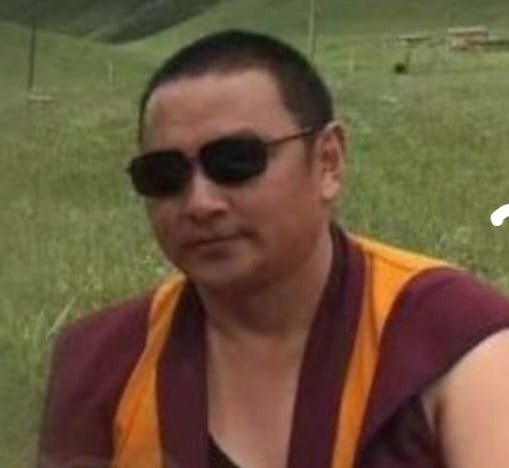
The reported death of Venerable Shersang Gyatso, a senior Tibetan Buddhist monk from Tsang Monastery in Amdo, has drawn attention to alleged violations of religious freedom guaranteed under both Chinese law and international human rights standards.
According to sources cited by the Central Tibetan Administration (CTA), the 52-year-old monk, who was serving as head of the monastery’s Administrative Committee, took his own life on August 18 in protest against increasing restrictions imposed by Chinese authorities.
Legal observers note that the restrictions at Tsang Monastery—including the expulsion of monks below the age of 18, mandatory daily political indoctrination, surveillance, and prohibitions on traditional religious practices—raise serious questions under Article 36 of the Constitution of the People’s Republic of China, which guarantees citizens “freedom of religious belief.”
The situation intensified following the 90th birthday of the Dalai Lama, when security forces reportedly conducted intrusive searches of monastic quarters, confiscated photographs, and restricted religious gatherings. Similar measures, including bans on rituals and detentions, have been reported in Karze and other Tibetan regions.
Human rights groups argue that such actions may contravene not only China’s domestic constitutional protections but also its obligations under international legal instruments, including the Universal Declaration of Human Rights (Article 18) and the International Covenant on Civil and Political Rights (ICCPR), which affirms the right to freedom of thought, conscience, and religion. Although China has signed but not ratified the ICCPR, scholars contend that the commitment entails certain expectations under international law.
Born in Arig Village of Sogzong County in Amdo’s Malho region, Shersang Gyatso was educated at Gyupa College, one of Tsang Monastery’s five traditional colleges, and was widely respected for his scholarship. His reported act of protest underscores the tension between state policy and the practice of Tibetan Buddhism, which remains under close state supervision.
Legal analysts state that the case highlights the broader issue of state intervention in religious institutions and the legal implications of enforcing ideological conformity. They further note that the continuing pattern of restrictions around significant religious dates may strengthen international scrutiny of China’s compliance with its constitutional commitments and international human rights standards.
About the Author

The HimachalScape Bureau comprises seasoned journalists from Himachal Pradesh with over 25 years of experience in leading media conglomerates such as The Times of India and United News of India. Known for their in-depth regional insights, the team brings credible, research-driven, and balanced reportage on Himachal’s socio-political and developmental landscape.