Shimla, Nov. 19
With allegations of widespread structural damage to residential buildings following underground tunnelling in Shimla’s densely populated Shantibihar and Lower Cemetery areas, the Himachal Pradesh High Court has cleared the way for the National Highways Authority of India (NHAI) to conduct a survey of affected properties to ascertain the actual extent of damage and determine necessary safety measures.
A single bench of Justice Sandeep Sharma, while hearing a writ petition filed by affected residents on November 17, clarified that there was no restraint on NHAI conducting a building construction survey during the pendency of the case. The court observed that the exercise was necessary to establish the actual damage, if any, caused to residential houses and to enable the authorities to take appropriate safety measures wherever required.
The court also recorded an assurance from the petitioners that residents would extend all necessary cooperation to NHAI for conducting the survey.
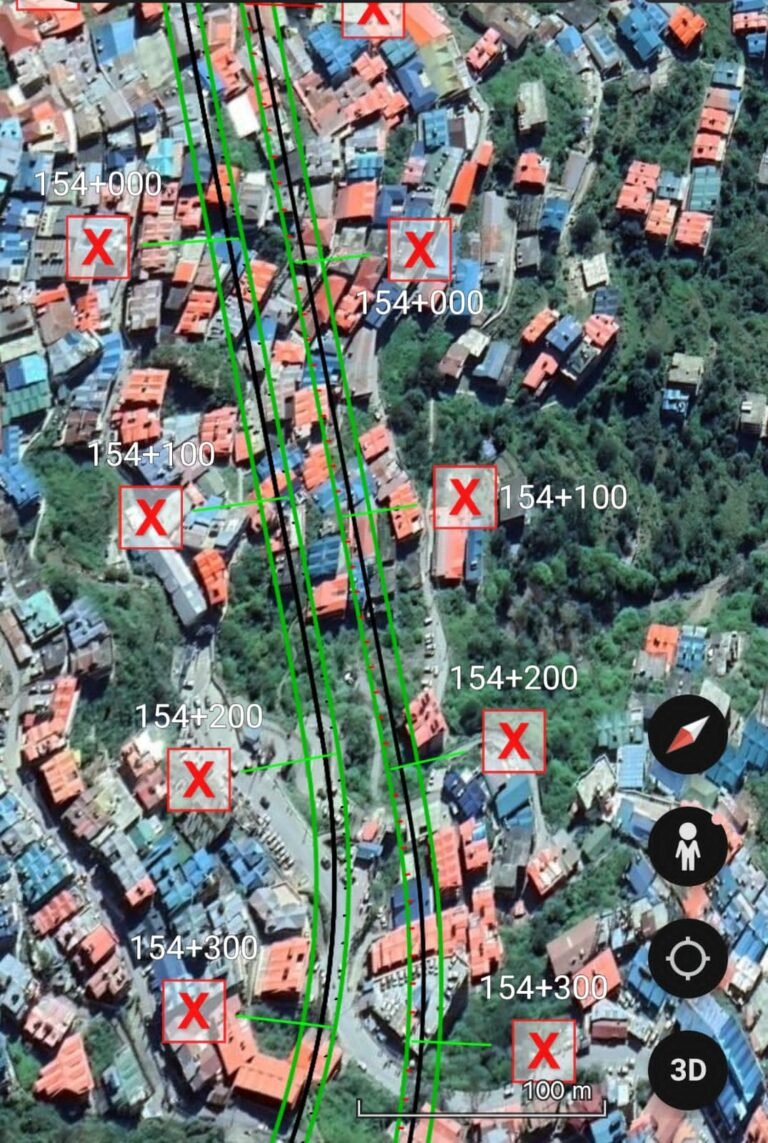
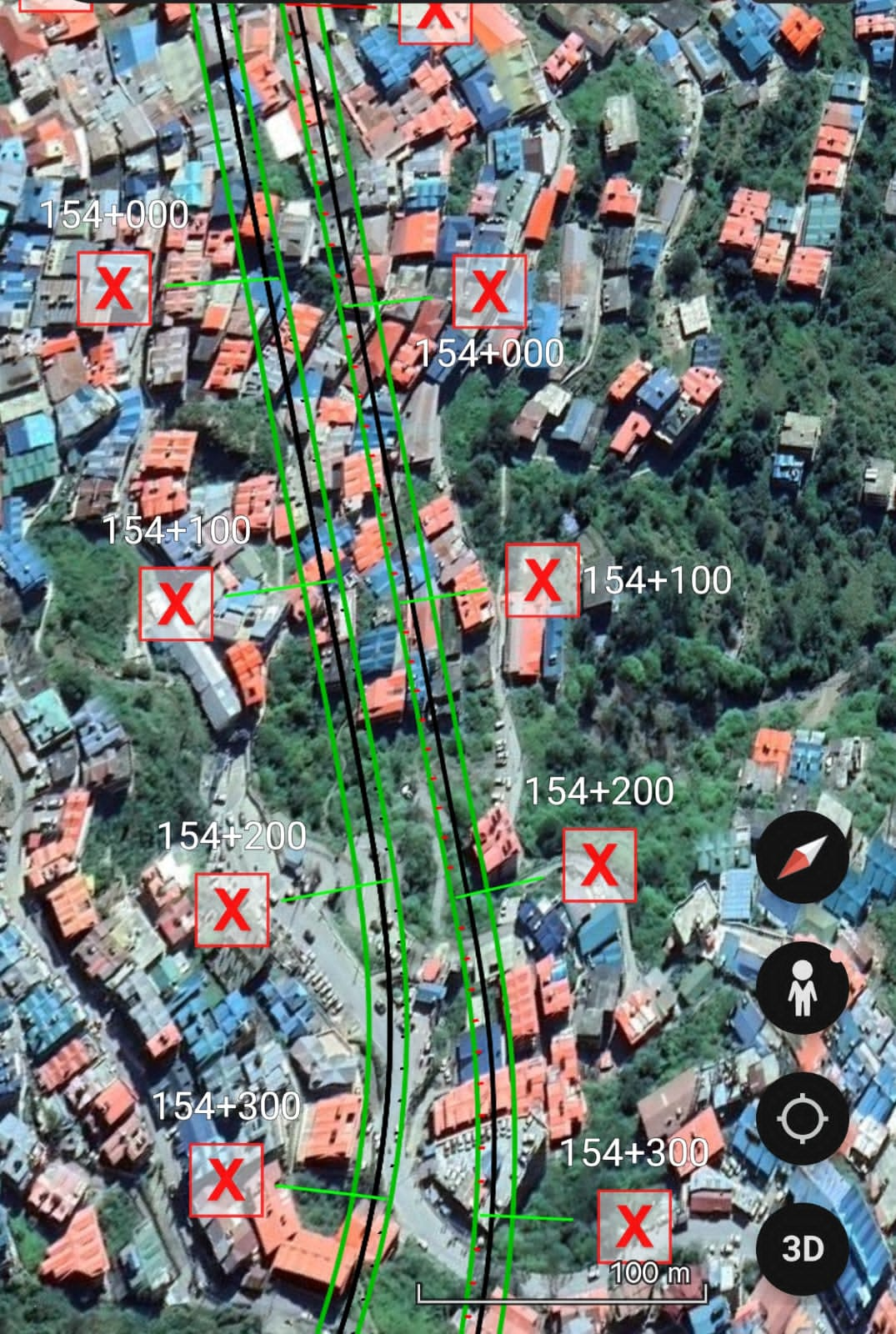
The direction assumes importance as residents of Shantibihar and Lower Cemetery have been raising serious concerns over the construction of an under-construction four-lane twin-tunnel project beneath their densely populated residential neighbourhood.
A number of affected residents have approached the High Court, alleging that the National Highways Authority of India and the executing construction company deviated from the earlier surveyed alignment and diverted the underground tunnel route beneath inhabited areas without obtaining requisite environmental and other statutory permissions and without following prescribed construction norms.
The petitioners have questioned how such a major infrastructure project could be executed beneath an established residential settlement without adequately assessing the geological conditions, structural vulnerability of buildings and possible consequences of underground excavation.
The complaints have gained urgency following reports of cracks and structural distress in a large number of residential buildings.
Residents have also expressed apprehension about possible ground settlement and the safety of houses situated above the tunnel alignment.
According to their representation, nearly 90 per cent of houses in the residential stretch corresponding to the portion of tunnelling already undertaken have developed cracks or other signs of structural distress.
The broader potentially affected area comprises more than 200 residential households and over 3,000 residents and family members. Residents fear that further tunnelling without an independent assessment could expose a much larger section of the locality to structural risks.
An expert team has also recently visited the affected areas to examine the complaints and construction-related concerns. According to the residents, the inspection has raised questions regarding compliance with prescribed pre-construction procedures and permissions for the twin tunnels, particularly in view of the alleged deviation from the earlier surveyed route. The allegations and technical findings are yet to be conclusively established through an independent investigation.
The residents have been demanding a high-level independent technical committee comprising experts in geology, geotechnical engineering, structural engineering, tunnel engineering and rock mechanics to investigate the circumstances leading to the damage.
Also Read HC Seeks NHAI Reply on Rs 600-Cr Land Acquisition for Bhatakufar -Dhali four lane
They want the original and revised tunnel alignments, geological and geotechnical investigations, environmental assessments, construction methodology, groundwater conditions and vibration and settlement monitoring records examined.
The controversy also raises wider questions about the safety assessment of major underground infrastructure projects in fragile Himalayan terrain, particularly where tunnelling is undertaken beneath densely populated settlements with existing geological and structural vulnerabilities.
While the latest High Court direction facilitates an official assessment of damage to private properties, residents are seeking a comprehensive investigation into the underlying causes rather than a survey limited to documenting visible cracks. They have also demanded structural stability assessments of individual buildings and appropriate restoration and compensation wherever damage is established to be attributable to the project.
The court passed the order on November 17 in CWP No. 19404 of 2026, titled Vineet Sharma and Others versus Union of India and Others. It granted two weeks to the petitioners to file their response to the affidavit submitted by respondent No. 3 and allowed the respondents two weeks to file their replies. The matter has been listed for December 17, 2026.
The immediate challenge before the authorities is to establish the extent of damage, assess the safety of affected buildings and determine whether further construction can proceed without exposing the residential neighbourhood to additional risks.
About the Author

Himachal ki har badi khabar, sabse pehle aapke paas
Breaking news, local updates aur exclusive stories — seedha WhatsApp ya Email par. Free. No spam.
WhatsApp Alerts
Instant news seedha aapke phone par. Ek click me subscribe karein.
Subscribe on WhatsAppEmail Newsletter
Har nayi post ka link aapke inbox me. Kabhi bhi unsubscribe karein.