Caste Stigma in Classrooms: Himachal Pradesh Seeks to Remove an Early Marker of Social Exclusion
Shimla, Aug 27
Caste stigma does not necessarily begin with adult prejudice; it could take root much earlier—at the school admission desk, in the classroom, at the mid-day meal table or through the manner in which a child is identified before classmates. Himachal Pradesh’s decision to remove the caste column from school admission forms from the next academic session seeks to intervene at the stage when caste identity can begin acquiring social significance among children.
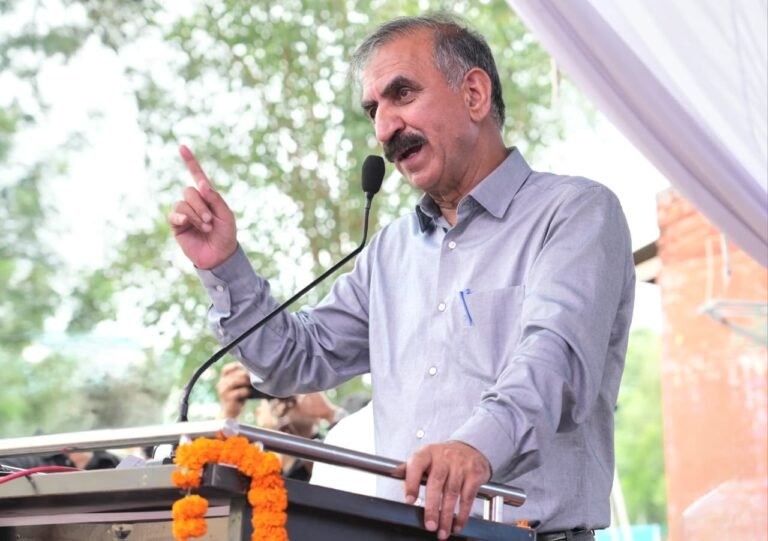
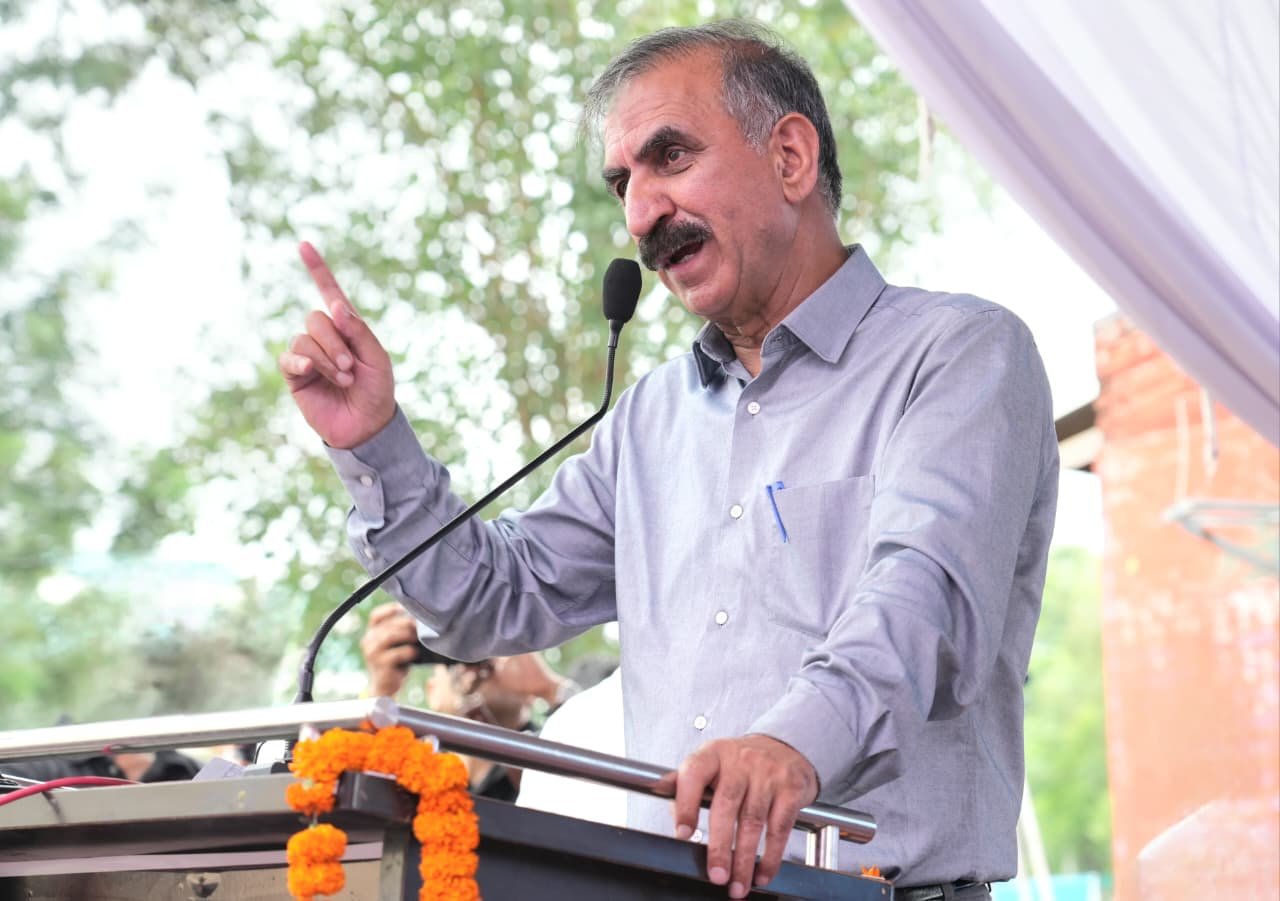
Chief Minister Sukhvinder Singh Sukhu has announced that students would no longer be required to disclose their caste in routine school admission forms. The information may still be provided separately when students apply for scholarships, reservation or other government benefits. This distinction is important: constitutional safeguards for historically disadvantaged communities will remain in place, but caste need not become an everyday label attached to a child within the classroom.
The reform comes amid fresh evidence that caste stigma continues to manifest in schools. At a school in Cheog, Shimla district, several students allegedly refused to eat food served by a minor girl belonging to the Scheduled Caste community. The Himachal Pradesh State Commission for Scheduled Castes took cognisance of the incident and sought a report from the school authorities.
Such incidents are not isolated acts of personal prejudice. They reflect how caste-based discrimination can operate through everyday practices—who is asked to serve food, who is allowed to sit with whom, whose utensils are touched, and whose presence is treated as inferior. For children, these experiences can produce shame, fear and social isolation, while also teaching other students that caste hierarchy is acceptable.
The incident echoes an earlier episode in Himachal Pradesh. In 2014, students at a government school in Mandi district were reportedly seated separately during mid-day meals along caste lines, with upper-caste students refusing to sit with Dalit children. The Education Department subsequently directed that meals be served according to roll numbers to prevent caste-based segregation.
In another case involving a school in Mandi, the Himachal Pradesh High Court recorded allegations that SC/ST children had been made to sit separately from students belonging to the general category during meals. The case illustrated how caste identity can translate into humiliation and exclusion at a very young age.
During ‘PM mannki baat’ at the house of a school principal students hailed to dalit community forced to sit at cow or horse stubble during BJP rule.
The issue becomes even more serious when students enter higher education. The death of University of Hyderabad research scholar Rohith Vemula in January 2016 brought caste discrimination on campuses to the centre of a national student movement. His death followed months of controversy over the suspension and exclusion of Dalit research scholars. Students across the country protested, demanding accountability and stronger institutional safeguards against caste discrimination.
The demand for a Rohith Vemula Act subsequently became part of a broader student and political campaign for statutory protection against discrimination in educational institutions. The Students’ Federation of India (SFI) has also demanded legislation and institutional mechanisms to prevent caste-based discrimination on campuses, along with accountability for officials and teachers who fail to act. Rahul Gandhi has now urged Sukhu to implement such legislation in Himachal Pradesh, arguing that no student should face humiliation because of caste.
The problem is not confined to schoolchildren. An inquiry launched by Supreme court of India into an alleged differential treatment of SC/ST students at AIIMS, Delhi, recorded complaints that caste identities had been sought by examiners, that students received lower marks than expected, and that practical and viva assessments were perceived as unfair. Some students also believed their grades had been affected after their caste became known.
These experiences point to a continuum—from identification to stigma, discrimination to exclusion. Such as forcing students to sit separately, refusing to share food or using caste slurs. It may also be indirect, appearing through biased evaluation, unequal access to opportunities, social boycotts or the failure of institutions to investigate complaints. The cumulative effect could damage a student’s confidence, academic performance and sense of belonging.
Himachal Pradesh’s proposed removal of the caste column cannot, by itself, eliminate centuries of social prejudice. It can, however, send a clear institutional message: a child’s caste should not determine where they sit, with whom they eat, how teachers treat them or how classmates perceive them.
The broader test would be whether the reform is accompanied by teacher sensitisation, effective grievance-redressal mechanisms and prompt action against discrimination. Schools must also monitor mid-day meal arrangements, ensure common seating and eating practices, and teach students about equality, dignity and constitutional rights.
The objective is not to make caste invisible where affirmative action requires its recognition, but to ensure that caste identity does not become a source of stigma in a student’s everyday life.
Ruling BJP and its embalical cords of mentors RSS are currently are demanding to remove reservation for such socially discarded community and it brought a new quota of EWS for high caste students however it helped high caste well to do families to elevate them to high ranked posts including civil services. Congress and opposition parties are now challenging the moves.
The debate of soicial justice and soicial exclusion likely to be become more prevalent in Indian education institutions after various paper leak scams and increasing competition among youth for government and others recruitment avenue.
About the Author