Shimla/Chamba, Nov 5,
Under mounting public and political pressure, the Jal Shakti Department on Tuesday restored the drinking water supply to the home of the woman who has accused Churah MLA and former Assembly Speaker Hans Raj of harassment. The action followed intervention by CPI(M) leader Rakesh Singha, who had submitted a memorandum to the Chief Engineer on Monday, denouncing the department’s failure to act despite a pending complaint from the victim’s family.
Officials confirmed that the woman’s father had filed a written complaint with the Jal Shakti Department on October 28, alleging that officials had disconnected the supply under political influence. The CPI(M) termed the incident as a “brazen misuse of administrative machinery†and demanded disciplinary proceedings against those responsible.
Chief Engineer Anju Sharma, acting on Singha’s memorandum, directed the Superintending Engineer, Chamba, to immediately restore the supply. Executive Engineer Kewal Sharma later confirmed that water service to the household had been reinstated and that an internal inquiry into the delay had begun.
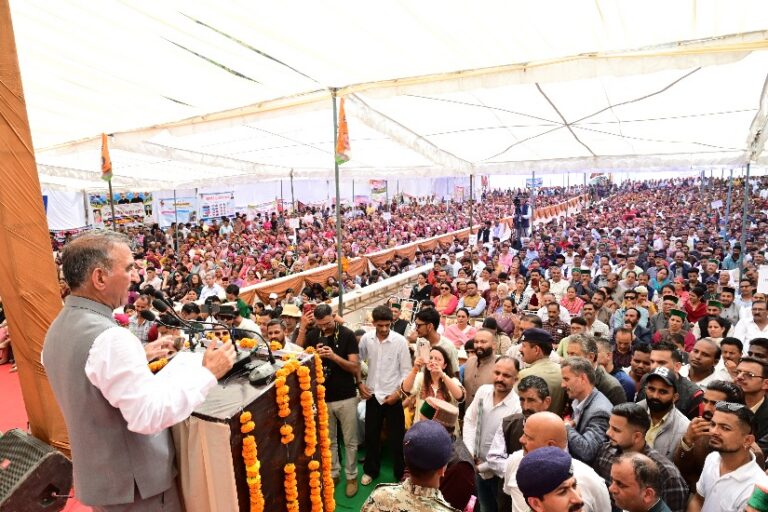
Meanwhile, the controversy surrounding Hans Raj’s remarks took a conciliatory turn, with the MLA issuing a public apology to the people of Churah, Chamba, and those working in Baddi’s industrial belt. His earlier comments, in which he dismissed the complainant as “a girl who carries an iPhone and owns a flat,†had sparked widespread anger among workers and local residents.
In a video statement released on Tuesday, Hans Raj said, “I never intended to hurt anyone’s sentiments. If my words have caused pain to the people of Chamba or Baddi, I apologize sincerely.†He maintained that the allegations against him were part of a “fabricated narrative†aimed at damaging his reputation.
While welcoming the restoration of water supply, CPI(M) has reiterated its demand for an independent investigation into the woman’s harassment allegations. ABVP leader Nancy Atal also called for an impartial probe, pointing out the growing concern over crimes against women in the state.
The incident, which began as a local administrative lapse, has now evolved into a political and social flashpoint, highlighting the tense intersection of power, gender, and accountability in Himachal Pradesh’s rural districts.
About the Author