Shimla, Jan 31,
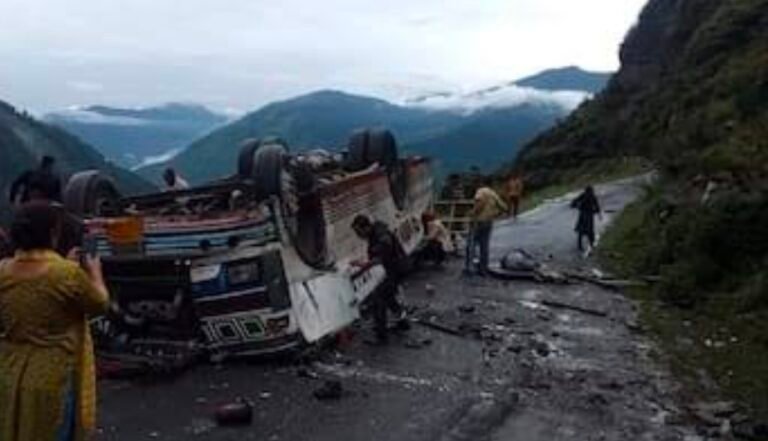
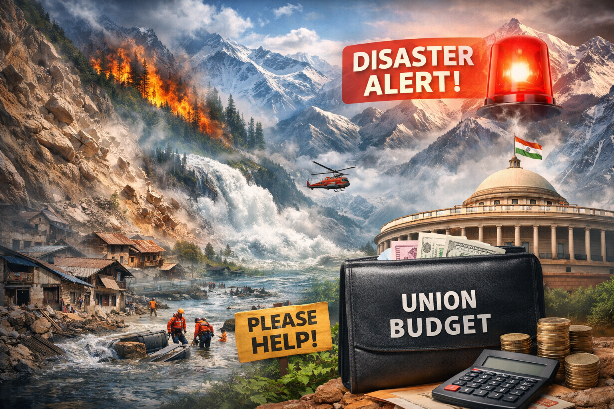
With cloudbursts, landslides, flash floods and glacial risks increasingly disrupting life in the hill states, civil society groups working across the Indian Himalayan region have urged the Centre to create a ring-fenced, region-specific disaster and climate resilience window in the Union Budget, warning that mountain communities are paying the highest price for climate volatility they did little to cause.
In a detailed representation submitted on January 30 to the Member Secretary of the National Disaster Management Authority (NDMA), a coalition of Himalayan organizations and activists flagged that recurring disasters are damaging homes, livelihoods, local infrastructure and fragile ecosystems, while also pushing vulnerable families toward long-term displacement and psychological stress.
Why it matters
For residents of Himachal Pradesh and other Himalayan states, disasters are no longer one-off events but a seasonal reality. Roads, water sources, farms and tourism-dependent incomes are frequently hit, stretching state finances and local coping capacity. The groups argue that without predictable, dedicated central funding, response remains reactive and reconstruction repetitive.
Key demands placed before NDMA
The memorandum calls for special budgetary provisions focused on prevention, preparedness, response and long-term resilience in the Himalayas. Among the major proposals:
1. Climate adaptation and mitigation
Region-specific climate action plans
Slope stabilization and landslide risk reduction
Glacier, spring-shed and watershed management
Climate-resilient livelihoods and sustainable tourism models.
2. Disaster preparedness
Village-level disaster plans and hazard mapping
Training for panchayats, women’s groups and youth volunteers
Early warning systems for floods, landslides, avalanches and GLOFs
Stronger local disaster management committees
Himalayan risk chapters in educational curriculam
3. Response and relief
Pre-positioning of food, medicines and fuel
Solar lighting and emergency communication systems
Dignified temporary shelters
Community-based rapid responders
4. Mental health support
Highlighting a less-discussed fallout, the letter seeks dedicated funding for counselling, trauma care and mobile mental health units, especially for children, elderly persons, women and persons with disabilities affected by disasters.
5. Climate-induced displacement
The signatories have also pushed for policy-level changes, including recognition of “climate refugees,” land pooling and land banks for displaced families, and scientifically planned relocation from high-risk zones.
6. Eco-sensitive infrastructure
They stress that future roads, bridges and buildings in the mountains must be geomorphologically suited, low-impact and avoid hazard-prone zones
7. Role of civil society
The groups seek formal recognition and dedicated funding lines for NGOs and community organizations in training, last-mile relief delivery and social audits
“National responsibility”
The representation underlines that the Himalayas provide water security, biodiversity and climate regulation benefits far beyond the region. Investing in their resilience, it says, is not merely expenditure but a national security and ecological necessity.
Copies of the letter have also been sent to the Union Finance Ministry ahead of the Budget exercise.
The appeal is coordinated by Himalaya Niti Abhiyan and Himalaya Bachao Samiti, and has been endorsed by a wide network of grassroots and regional groups including Himlok Jagrati Manch, Jibhi Valley Tourism Development Association, Loktantra, Loktantrik Rashtranirman Abhiyan, People for Himalaya Abhiyan, Bhumi Adhigrahan Prabhavit Manch, Parvatiya Mahila Adhikar Manch, Samajik-Aarthik Samanta Jan Abhiyan, Save Lahaul-Spiti Society, Tower Line Prabhavit Manch, Manrega Nirman evam Sarv Kaamgar Sangathan (Banjar), Society for Advancement of Hills and Rural Areas–Banjar, Himalaya Bachao Samiti–Chamba, and People for Himalayan Development (Kullu), reflecting broad civil society concern across Himalayan states
If accepted, the proposal could shape how disaster funding is structured for mountain states in the coming years, shifting focus from post-disaster compensation to long-term risk reduction.
About the Author

The HimachalScape Bureau comprises seasoned journalists from Himachal Pradesh with over 25 years of experience in leading media conglomerates such as The Times of India and United News of India. Known for their in-depth regional insights, the team brings credible, research-driven, and balanced reportage on Himachal’s socio-political and developmental landscape.