Shimla/Sissu, May 27
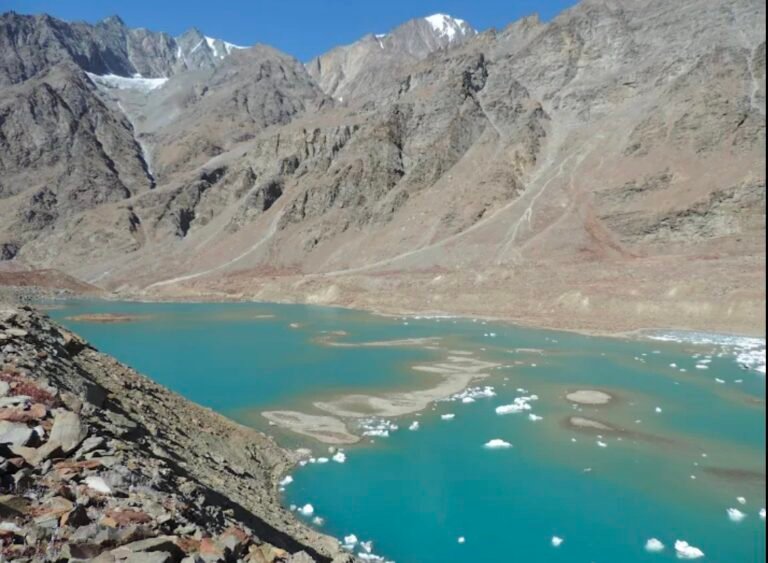
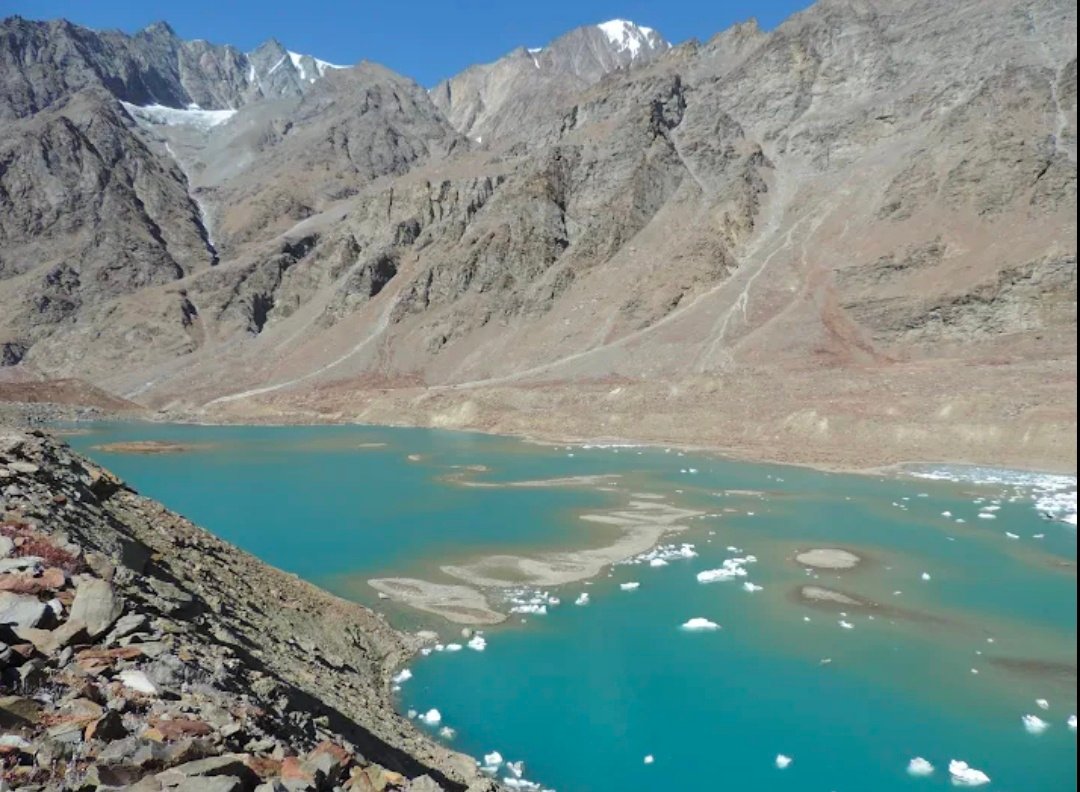
The rapidly expanding Ghepan glacial lake in the tribal district of Lahaul-Spiti has emerged as a major disaster threat to more than 34 downstream settlements, including the popular tourist destination of Sissu, a recent scientific study had warned of a potentially devastating Glacial Lake Outburst Flood (GLOF) in the region.
A joint study conducted by the Himachal Pradesh State Disaster Management Authority (HPSDMA) and the National Remote Sensing Centre of ISRO (NRSC-ISRO) has revealed that the size of Ghepan Lake has increased nearly threefold over the last three decades due to accelerated glacier melting triggered by climate change and rising temperatures in the Himalayas.
According to the report submitted to the SDMA, the area of the lake was measured at 36.49 hectares in 1989, but by 2022 it had expanded to 101.30 hectares. Scientists have warned that continued glacier melt and changing weather patterns are making the lake increasingly unstable.
The lake, formed by the melting of the Ghepang Glacier, has been classified as a “moraine-dammed glacial lake”, meaning it is held back by a fragile natural barrier of rocks, sand and glacial debris.
Experts cautioned that heavy rainfall, avalanches, landslides or collapse of glacier masses into the lake could breach this unstable dam and trigger a catastrophic flood downstream.
The report identifies Sissu village as the most vulnerable settlement, placing it in the highest-risk red zone. It warns that in the event of a lake burst, floodwaters could reach Sissu within 21 minutes at speeds of up to 43 kilometres per hour, with water depths estimated to rise nearly 20 metres.
Scientists said the disaster would not merely involve water flooding but also massive quantities of rocks, boulders and debris carried from the glacier, significantly increasing the destructive potential.
Sissu, located around 11 kilometres downstream from the lake, is considered highly exposed to such a scenario.
Former SDMA Director DC Rana confirmed that the department recently completed the study and found the lake had now expanded beyond 100 hectares with considerable depth.
He said glacier melt was continuously feeding the lake and district authorities had been repeatedly advised to remain alert. An early warning system has also been installed in the area on a pilot basis and is currently undergoing testing.
Deputy Commissioner Lahaul-Spiti, Kiran Bhadana, has already cautioned residents and local stakeholders regarding the increasing threat posed by thawing glacial lakes in the district.
She informed that both the State Disaster Management Authority and National Disaster Management Authority had been apprised of the emerging risk and a central expert team had also visited the site to assess the situation.
Local residents have expressed growing concern as tourism activity in Sissu and nearby villages continues to surge after the opening of the Atal Tunnel.
Thousands of tourists now visit the valley daily during peak season, with locals claiming that vehicle inflow often reaches between 5,000 and 8,000 vehicles a day.
Some villagers have demanded restrictions similar to those imposed by the National Green Tribunal at Rohtang Pass, arguing that unchecked tourism and increasing vehicular pressure may further aggravate the fragile mountain ecology and accelerate climate-related risks.
Former deputy head of Sissu Panchayat, Sandeep, claimed that another glacial lake was also forming alongside Ghepan and warned that a sudden breach could unleash destruction resembling a “tsunami” in the valley.
Experts have stressed that continuous monitoring, expansion of early warning systems and long-term mitigation planning are essential to prevent a potential disaster in one of Himachal Pradesh’s most ecologically sensitive regions.
About the Author