HC refuses to quash FIR over books allegedly insulting Hindu Gods and Saint

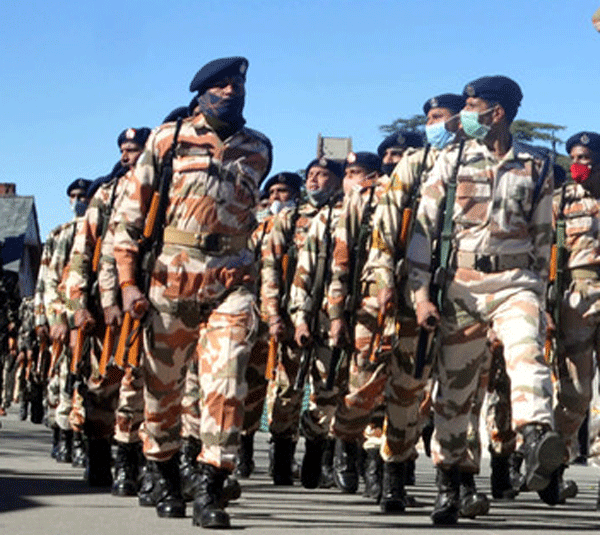
Photo used for indicative purpose only. Source internet
Shimla, July 19
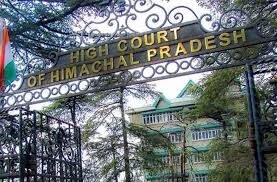
Himachal Pradesh High Court has refused to quash an FIR registered against the petitioners or followers of self-styled godman Sant Rampal over the alleged circulation of books containing defamatory remarks against Hindu Gods and Saints, holding that the constitutional guarantee of freedom of speech and expression is not absolute and cannot be invoked to justify material that prima facie insults the religious beliefs of others.
In a judgment delivered on July 17, Justice Rakesh Kainthla observed that the books seized during the investigation allegedly contained defamatory material against Hindu deities and saints revered by Hindus. The Court held that such remarks could prima facie indicate an intention to outrage the religious feelings of a class of citizens and, therefore, it would be “impermissible to quash the FIR at this stage.”
The petition had challenged FIR No. 173 of 2023 registered at Nalagarh police station in Solan district under Section 295A read with Section 34 of the IPC. The complainant alleged that books authored by Sant Rampal, including Hindu Dharam Mahaan, contained objectionable and defamatory remarks against Hindu Gods and Saints and were being circulated by his followers.
Rejecting the plea that the publications were protected under free speech, the Court observed that the right to freedom of speech and expression is subject to reasonable restrictions in the interest of public order and cannot be treated as an unrestricted licence to offend the religious beliefs of others. It further held that whether the contents of the books are justified is a matter to be examined during trial.
Also Read
However, the High Court partly allowed the petition by quashing the pending trial proceedings before the Additional Chief Judicial Magistrate, Nalagarh, on the technical ground that mandatory prior sanction under Section 196 of the Code of Criminal Procedure had not been obtained before the court took cognisance of the offence.
The Court clarified that its order would not prevent the State from initiating fresh proceedings after obtaining the requisite prosecution sanction, if otherwise permissible under law, and left all other issues open to be decided by the trial court.
About the Author