HPP under fresh spotlight as suspension of ‘Harmony with Pines’ convenor sparks debate
Shimla, July 14
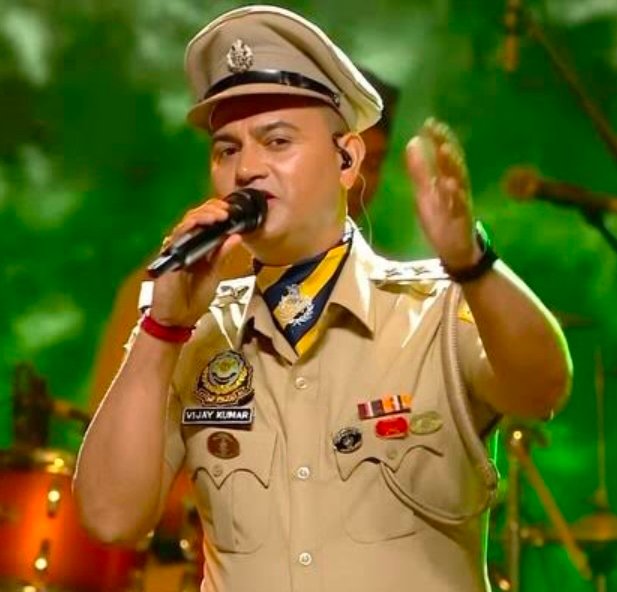
Himachal Pradesh Police’s disciplinary action once again come under public scrutiny after the suspension of Inspector Vijay Kumar, one of the founder members and convenor of the popular police orchestra group ‘Harmony with Pines’, added another chapter to a series of controversies surrounding the force’s leadership and disciplinary actions.
The orchestra, which won widespread appreciation during the Covid-19 pandemic for boosting public morale through musical performances, is now facing uncertain times after its convenor was placed under suspension over allegations that he monetised his social media platforms and received payments of around Rs 15,000 without obtaining prior departmental permission.
The action has triggered debate within police circles over whether the disciplinary response was proportionate and uniformly applied.
The suspension comes at a time when the Himachal Pradesh Police is already facing criticism following a series of judicial setbacks, disciplinary disputes and a National Commission for Scheduled Castes (NCSC) inquiry into allegations made by a serving police officer. In recent weeks, the Himachal Pradesh High Court has questioned departmental actions in multiple cases, including setting aside dismissal orders against police personnel for failure to follow due process.
The latest controversy has also revived discussion over the manner in which internal disciplinary notices are being handled.
Earlier this year, Police Headquarters served a notice on former Shimla SSP and now DIG (TTR) Sanjeev Gandhi, demanding nearly Rs 1.80 lakh as damage charges for allegedly overstaying in the official residence earmarked for the Shimla Superintendent of Police.
Gandhi had publicly claimed that he learnt about the notice through media reports before receiving it officially, alleging that the action was intended to tarnish his image.
With the suspension of the Harmony with Pines convenor, questions are once again being raised over consistency in administrative decision-making and communication within the force.
The developments have intensified public debate over transparency, disciplinary fairness and leadership at a time when the state’s police establishment is expected to inspire confidence through professionalism and institutional cohesion.
About the Author