Photo used for indicative purpose only. Source: Internet
Shimla, Sept 11,
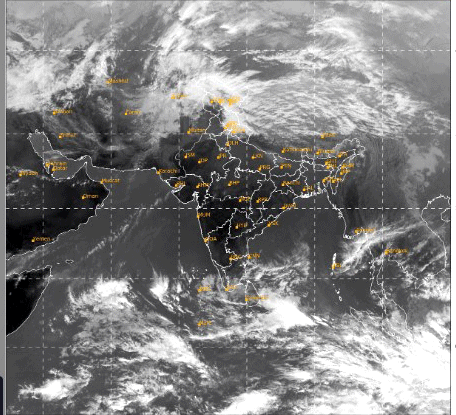
After a brief three-day pause, monsoon showers have once again tightened their grip on Himachal Pradesh, bringing thick clouds and intermittent rain that have revived apprehensions of fresh disasters in the hill state.
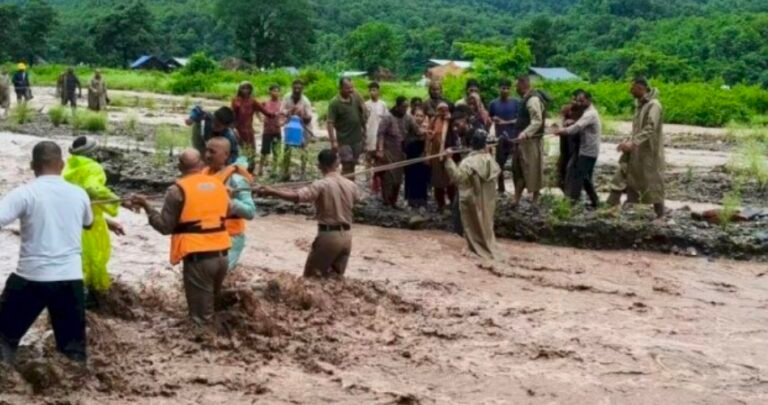
The renewed spell has placed additional strain on relief and restoration efforts that have been stretched thin since the onset of this year’s prolonged and destructive monsoon. According to the State Emergency Operations Centre, the official death toll has risen to 378, with two more fatalities reported in the past 24 hours. Thousands of residents remain displaced, while combined losses to public and private assets have crossed an estimated Rs 4,300 crore, making 2025 one of the state’s most severe monsoon seasons in recent memory.
The India Meteorological Department (IMD) reported fresh rainfall at several monitoring stations on Thursday, including Murari Devi (63 mm), Bhareri (62.8 mm), Slapper (54.4 mm), and Palampur (36 mm). Its forecast warns of isolated heavy showers and thunderstorms over the next few days, with experts suggesting that the monsoon may linger in Himachal for nearly two extra weeks this year. Interestingly, meteorologists note that while the lower and mid-hills have borne the brunt, higher regions such as Lahaul-Spiti, upper Kinnaur, and adjoining Tibet have remained relatively dry — a pattern described as unusual.
Also read:Monsoon disaster leaves Himachal Pradesh with over Rs 3,000 Crore in damages: CM Sukhu
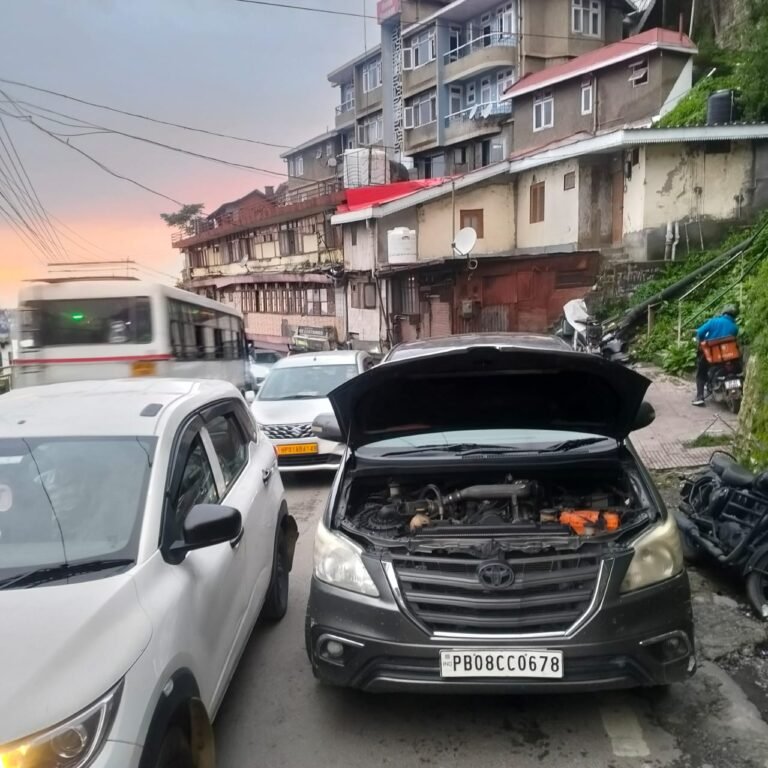
The impact on infrastructure remains severe. As of Thursday morning, 574 roads, including stretches of NH-03, NH-305 and NH-503A, were blocked. Power supply was disrupted with 812 distribution transformers out of service, and 369 water supply schemes remained non-functional. Kullu district alone reported 211 road closures due to landslides and flash floods, while Mandi recorded more than 150 blockages.
The Revenue Department’s cumulative assessment highlights extensive collateral damage: nearly 2,000 livestock deaths and damage to more than 28,000 homes across districts. Uprooted trees along major highways have further compounded risks for commuters.
With forecasts predicting that the rains could continue into October, officials fear an escalation in landslides, slope failures, and road collapses. For lakhs of residents in already battered regions, the return of the monsoon clouds has once again cast a shadow of uncertainty and hardship.
About the Author

The HimachalScape Bureau comprises seasoned journalists from Himachal Pradesh with over 25 years of experience in leading media conglomerates such as The Times of India and United News of India. Known for their in-depth regional insights, the team brings credible, research-driven, and balanced reportage on Himachal’s socio-political and developmental landscape.