Dharamshala/ Shimla, Sept 4,
Tibetan refugee settlements across Himachal Pradesh have been left reeling under the impact of relentless monsoon rains that have triggered flash floods, landslides, and cloudbursts since July. From Mcleodganj—the spiritual and cultural hub of the Tibetan exile community—to the river valleys of Kullu and Kasumpti near Shimla, monasteries, residential quarters, and community facilities have reported extensive damage.
According to an assessment released by the Home Department of the Central Tibetan Administration (CTA), more than half a dozen monasteries and residential colonies have suffered what it described as “colossal losses.” While no major casualties were reported, thanks to timely evacuations, the damage to property and infrastructure has been severe.
In Kullu district, three key Tibetan settlements—Manali Dekyiling, Dobhi Palrabling, and Kullu Yulokoe—were hit the hardest. On August 26, the Beas River and Fozal Nala breached their banks near Dobhi, inundating nearly 45 Tibetan households with mud and debris. Quick evacuation measures ensured the safety of vulnerable residents, including the elderly and infirm. A day later, torrential rains in Manali triggered landslides in Dekyiling, where uprooted trees and boulders crashed onto rooftops, leaving many homes beyond repair. In Yulokoe, swollen streams broke through embankments, sending floodwaters into living spaces and weakening protective structures.
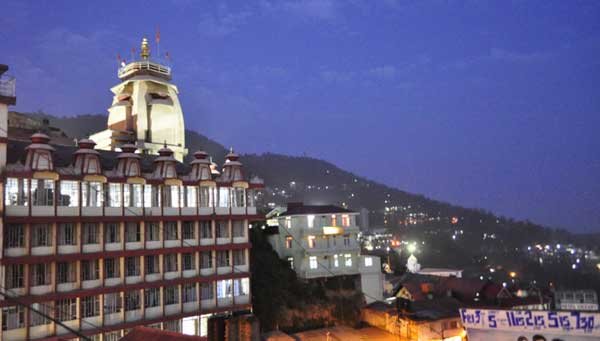
Mcleodganj, the seat of the Dalai Lama, also witnessed flooding inside monasteries and community dwellings. In some areas, prayer halls and dormitories were partially submerged as runoff from adjoining hillsides breached defensive barriers.
The CTA has sanctioned Rs 4 lakh (approx. USD 48,000) in immediate relief to the Kullu Settlement Office for rehabilitation and essential support. Plans have also been cleared for post-monsoon rebuilding, including construction of stronger retaining walls and flood-control systems.
During his second visit to Kullu this season, CTA President (Sikyong) Penpa Tsering interacted with affected families and local leaders. Community representatives pressed for urgent strengthening of flood defenses. “Building higher and sturdier retaining walls has now become a necessity rather than a choice,” one leader told him.
For Tibetan refugee communities in Himachal Pradesh—among the largest exile settlements outside Tibet—this year’s disaster is a stark reminder of their resilience as well as their increasing vulnerability to the intensifying impacts of climate change in the fragile Himalayan ecosystem.
About the Author

The HimachalScape Bureau comprises seasoned journalists from Himachal Pradesh with over 25 years of experience in leading media conglomerates such as The Times of India and United News of India. Known for their in-depth regional insights, the team brings credible, research-driven, and balanced reportage on Himachal’s socio-political and developmental landscape.