Unplanned development, climate change increase disaster risk in Himachal: Scientist
Shimla , Aug 19
Unplanned development coupled with climate change has increased the vulnerability of Himachal Pradesh to natural disasters, renowned scientist and climate change expert Dr D. Raghunandan said here on Tuesday, stressing the need for scientific assessment of the carrying capacity of the Himalayan region before deciding the direction and scale of development.
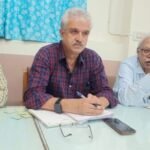
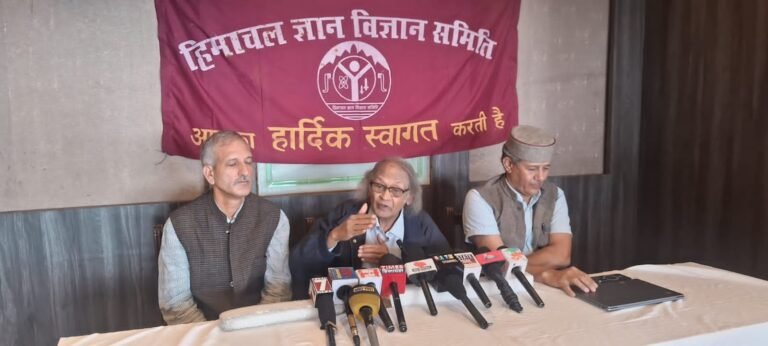
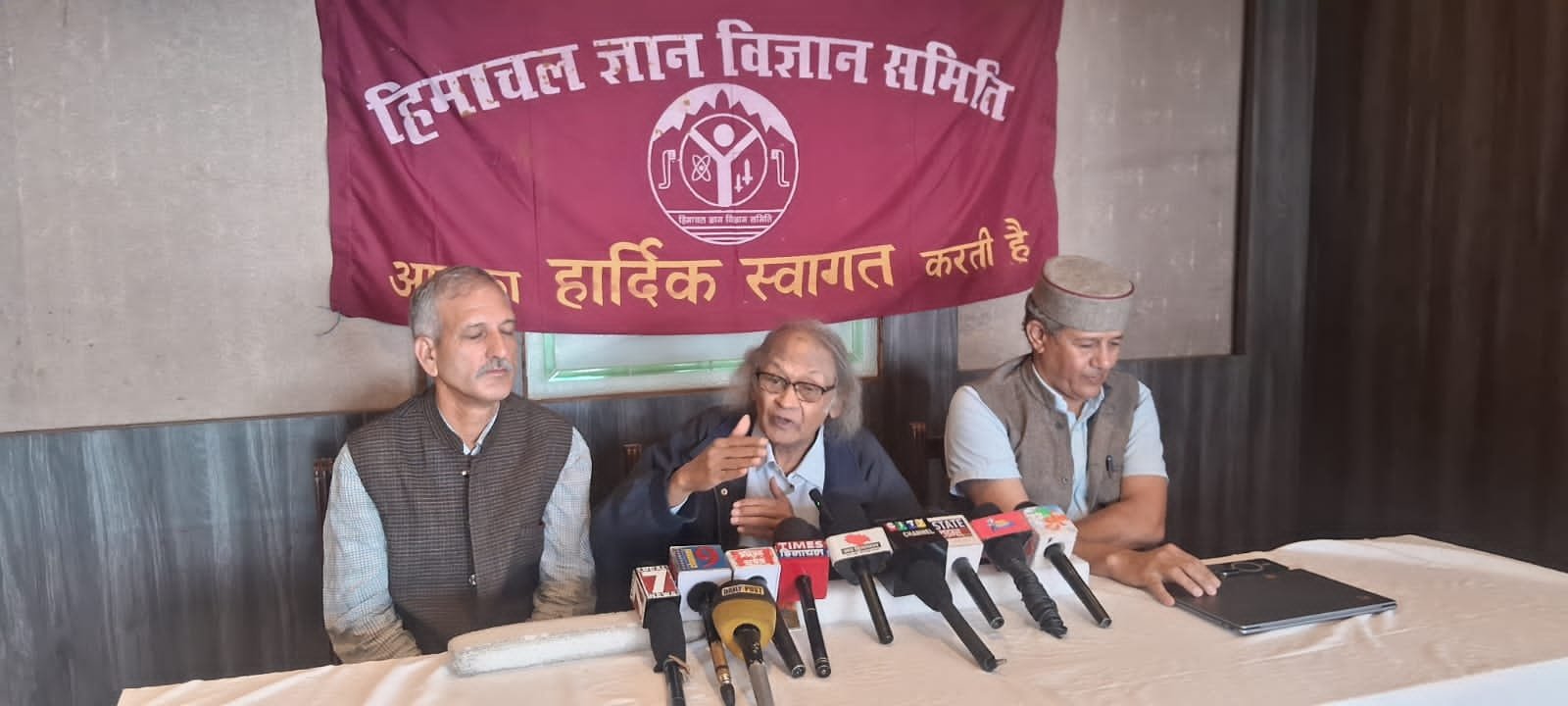
Addressing a press conference organised by the Himachal Gyan Vigyan Samiti at Hotel Victory, Shimla, Dr Raghunandan, former president of the All India People’s Science Network (AIPSN), said rising global temperatures had increased the intensity and risk of extreme rainfall, erratic monsoons, heat waves and other extreme weather events.
He said the Himalayan region was particularly vulnerable because of its unique geographical and geological characteristics, making the impact of climate change potentially more severe.
In Himachal Pradesh, he said, climate change was being compounded by unplanned and unscientific development. Four-laning projects, large-scale construction and other infrastructure projects were altering the mountain landscape without adequate consideration of geological structures, slope stability, drainage systems and local ecology.
“Development is necessary, but its form must be in keeping with the nature and limitations of the Himalayas,” he said.
Dr Raghunandan called for a scientific assessment of carrying capacity before allowing large-scale construction in cities, tourist destinations and ecologically sensitive mountain areas. He said the government should regulate construction, land use, tourism pressure and infrastructure expansion according to the carrying capacity of each area.
He also stressed the need for sustained global efforts to reduce carbon dioxide and other greenhouse gas emissions. However, he cautioned that the benefits of emission reduction would take time to become visible and governments could not rely on such measures alone. Climate-resilient and disaster-resilient infrastructure must simultaneously be developed to reduce loss of life and property from extreme rainfall, floods, landslides, droughts and rising temperatures.
Dr O.P. Bhuraita, General Secretary of the Bharat Gyan Vigyan Samiti and an environmentalist, said the pressure of development in Himalayan states had reached a point where environmental damage was becoming increasingly difficult to reverse.
He said Himachal needed to seriously examine where development should take place, how much development was sustainable and what form it should take. Tourism, too, should be planned according to local resources and carrying capacity.
Bhuraita said development and environmental policies should not be formulated and implemented by government departments alone. Local communities, scientists, environmental organisations and other experts should have a meaningful role in decision-making.
He said relief and rehabilitation after disasters were not enough and policies must focus on reducing vulnerability and ensuring greater preparedness for future disasters.
Himachal Gyan Vigyan Samiti State Secretary Satyawan Pundir said the organisation had been working on environmental issues, climate change and natural disasters through studies, public awareness and community participation.
He announced the launch of a year-long “Future of India” campaign in Himachal Pradesh as part of a nationwide initiative. Studies will be undertaken at the village level on environment, health, self-reliance, agriculture and livelihoods, followed by dialogues at the Gram Panchayat, block, district and state levels.
The Samiti aims to reach more than 1,000 gram panchayats across over 40 development blocks of the state under the campaign.
The speakers said stopping development was not the answer. Instead, Himachal needed to change the direction and nature of development so that it remained within the ecological limits of the Himalayas, with carrying capacity, scientific planning, disaster preparedness and community participation at the centre of policy-making.
About the Author