Photo used for indicative purpose only. Source: Internet
Why Himachal Buys Electricity in Winter Despite Being a Hydropower-Rich State
Shimla, March 7,
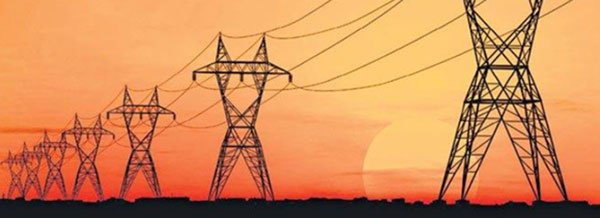
Himachal Pradesh is often described as one of India’s major hydropower states, producing thousands of megawatts of electricity from rivers originating in the Himalayas. Yet every winter the state is forced to purchase large quantities of electricity from the national grid to meet its own consumption needs — a paradox that raises questions among residents about the structure of the power sector. https://vidyutpravah.in/
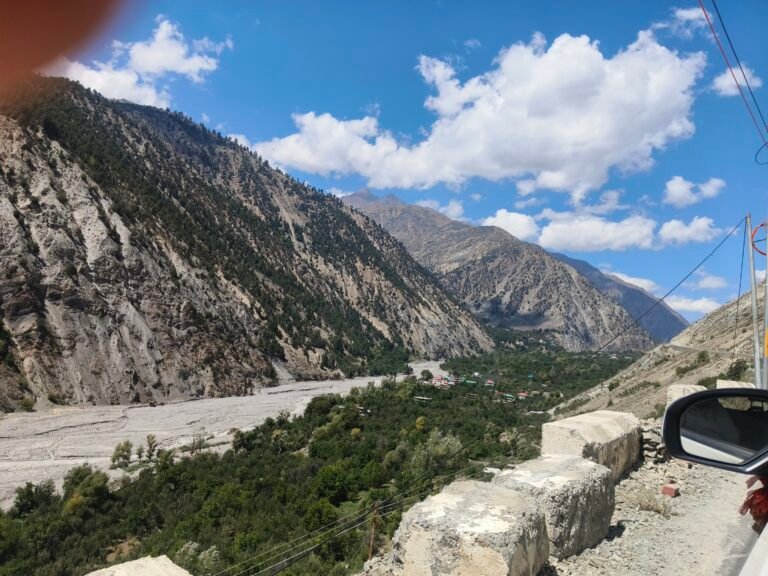
The core reason lies in the seasonal nature of hydropower generation. Most of Himachal’s electricity comes from run-of-the-river hydroelectric projects that depend heavily on river flow. During winter months, river discharge drops sharply due to freezing conditions and reduced snowmelt in higher Himalayan regions. As a result, power generation falls significantly.
Also read:Hydropower and Himachal Pradesh: The Twain Shall Never Meet
Energy sector data indicates that during winter the state’s own generation can fall to around 150–160 lakh units (LU) per day, while electricity demand often remains above 350 lakh units daily. This gap forces the Himachal Pradesh State Electricity Board Limited (HPSEBL) to procure power from outside the state.
To maintain supply, HPSEBL purchases electricity through power exchanges, bilateral agreements and banking arrangements with other states. In several winter periods, the state has had to import over 200 lakh units of electricity daily to bridge the demand-supply gap.
The paradox becomes clearer when viewed across seasons. During summer and monsoon months, when snowmelt and rainfall increase river flows, hydroelectric projects in Himachal generate surplus electricity. Much of this power is supplied to other states under long-term agreements with central utilities and distribution companies.
However, most large hydropower projects in Himachal are either owned by central public sector companies or operated under long-term power purchase agreements, meaning the majority of electricity generated is already committed to buyers outside the state. Himachal receives only a fixed share — known as free power or allocated power — from these projects.
As electricity consumption within the state has grown over the years due to urbanisation, tourism and industrial expansion in areas such as Baddi, Nalagarh and Paonta Sahib, the demand for power has steadily increased. Domestic electricity use has also expanded with greater reliance on electrical appliances in both urban and rural households.
Another factor is the limited storage capacity in most hydro projects in the state. Unlike large reservoir-based dams, run-of-the-river projects cannot store substantial water to generate electricity during low-flow winter months.
Energy planners therefore rely on seasonal power banking — supplying electricity to other states during the high-generation months and drawing power back during winter.
While this system allows Himachal to balance its electricity needs over the year, it also means the state remains dependent on external power purchases during winter, despite being one of India’s leading hydropower producers.
As electricity demand continues to rise, experts say the state may need to explore greater energy storage, diversification into solar power and improved demand management to reduce seasonal dependence on outside power sources.
About the Author

The HimachalScape Bureau comprises seasoned journalists from Himachal Pradesh with over 25 years of experience in leading media conglomerates such as The Times of India and United News of India. Known for their in-depth regional insights, the team brings credible, research-driven, and balanced reportage on Himachal’s socio-political and developmental landscape.