HP eyes open market sale of free power to boost revenue
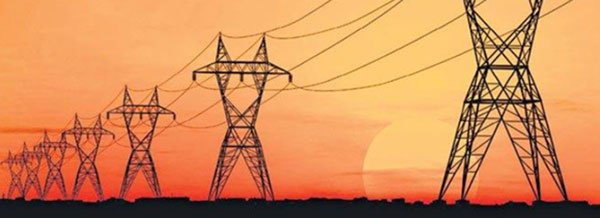
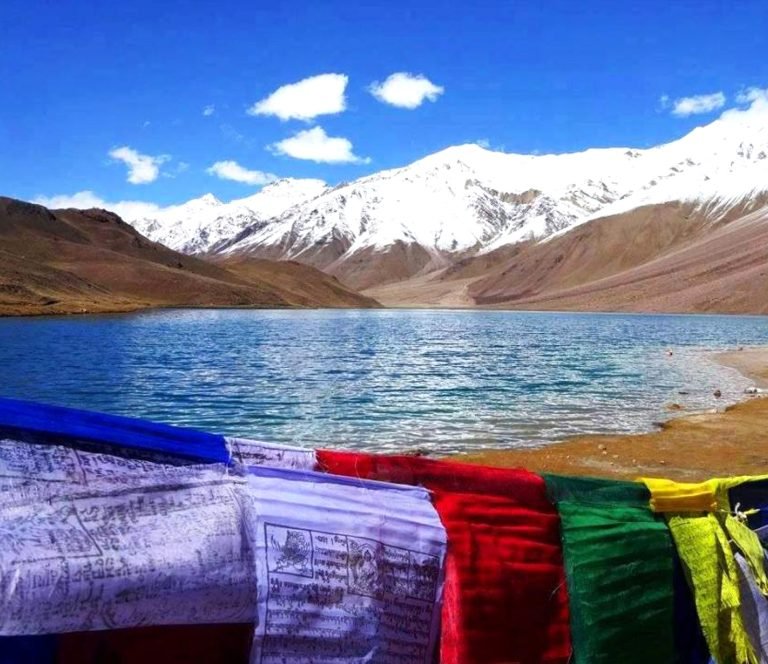
Photo used for indicative purpose only. Source: Internet
HP eyes open market sale of free power to boost revenue
Shimla, June 10,
Himachal Pradesh government has decided to directly sell its share of free power received from public sector hydropower companies in the open market, a move that it claims will significantly increase the state’s revenue.
However, the decision has also triggered concerns over its possible impact on power availability and electricity costs within the state.
Under existing agreements, the state receives 12 per cent free power as royalty from central public sector hydropower companies operating in Himachal Pradesh, including the National Hydroelectric Power Corporation and the Satluj Jal Vidyut Nigam Limited (SJVNL).
Until now, these companies themselves traded the electricity and paid the royalty amount to the state government.
The state receives nearly 180 crore units of free power annually from SJVNL alone and was earning around Rs 700 crore every year through this arrangement.
The government has now decided to take direct possession of this free power and trade it through competitive bidding in the open market.
According to official estimates, tenders have been invited and the power is expected to fetch around Rs 6.18 per unit. At this rate, the sale of about 180 crore units could generate nearly Rs 1,112 crore in revenue, yielding an additional income of around Rs 412 crore compared to the existing royalty system.
The government views the move as an important step towards strengthening the state’s financial position and maximizing returns from its hydropower resources.
Also read:Why Himachal Buys Electricity in Winter Despite Being a Hydropower-Rich State
However, questions have been raised over the long-term implications of the decision. A recent report published by a local media outlet suggested that while the state may earn additional revenue initially, the Himachal Pradesh State Electricity Board Limited (HPSEBL) could face difficulties during the lean winter season.
In the past, the State Electricity Board had access to this free power, helping it meet domestic demand when hydropower generation declined.
With the free power now being sold outside the state, HPSEBL might have to purchase electricity from the market or even from the same generating companies at higher rates to meet consumer demand.
Himachal Pradesh traditionally sells surplus electricity during the summer and monsoon months when rivers are in full flow, but purchases power from outside the state during winter when generation falls sharply.
Critics argue that if the Board is forced to procure costly power during the lean season, the additional burden may eventually be passed on to consumers through higher electricity tariffs.
The government’s decision is therefore expected to spark a wider debate on whether the immediate revenue gains outweigh the potential impact on power procurement costs and consumer interests in the long run.
About the Author