Unstable Glacier zone near GHNP raises alarm ahead of monsoon
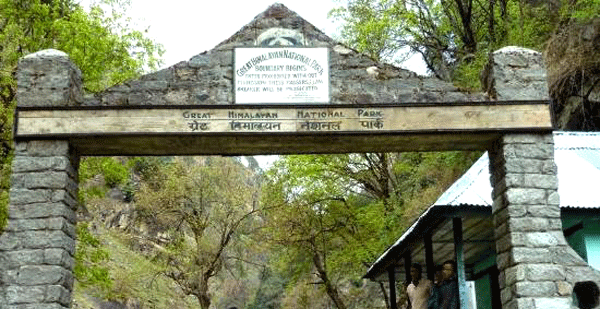
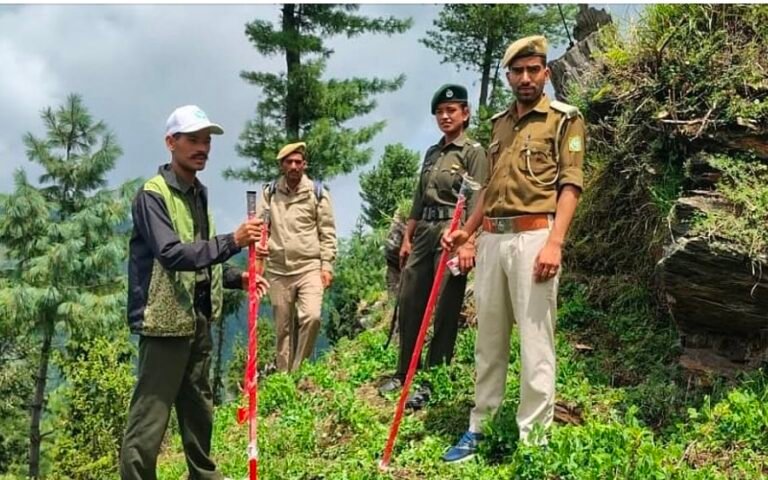
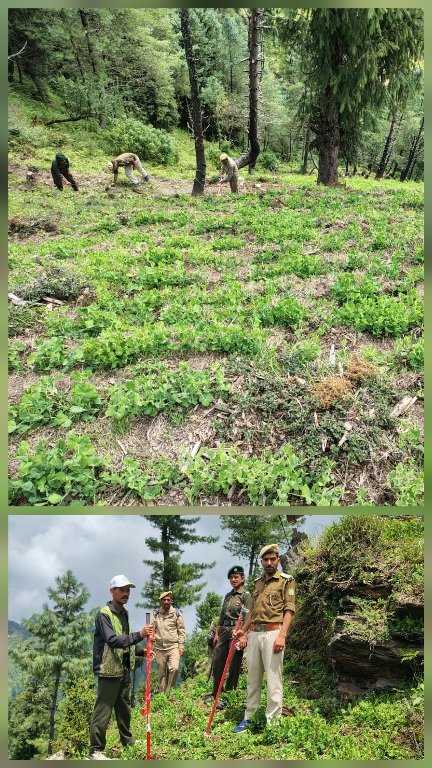
Photo used for indicative purpose only. Source: Internet
Unstable Glacier zone near GHNP raises alarm ahead of monsoon
Kullu, June 17,
Fresh concerns have emerged over a potentially dangerous glacier zone in the upper reaches of the Sainj Valley, with residents and environmental observers urging the administration to conduct an immediate scientific survey and implement preventive measures ahead of the monsoon season.
According to local reports, a massive section of a glacier collapsed near Lauhagdu in the Great Himalayan National Park (GHNP) area during last year’s disaster.
The fallen glacier mass remains lodged along the riverbank, while the adjoining mountain face continues to develop cracks, raising fears of further landslides or a sudden blockage of the river course.
The vulnerable site is located around 50 to 60 kilometres beyond Shakti-Maror in a remote part of the Sainj Valley.
Residents say the condition of the glacier and the surrounding mountain terrain has worsened over the past year, increasing the risk of a major disaster during periods of intense rainfall.
Several settlements situated downstream, including Shakti-Maror, Shugar, Neuli, Sainj and Larji, could face serious consequences in the event of a glacier-triggered landslide or flash flood.
Local people recall the extensive damage caused by natural disasters in the Sainj Valley during 2023 and 2025 and fear a repeat of such incidents if timely action is not taken.
Residents have demanded a detailed geological and glaciological assessment of the area, along with the installation of an early warning system and continuous monitoring of the glacier and mountain slopes.
Also read Malana Dam overflow in Himachal Pradesh highlights urgent need for safety reforms
They argue that the fragile Himalayan terrain is becoming increasingly vulnerable due to changing climatic conditions and rising temperatures.
Environmental observers have also expressed concern over the rapid thawing of glaciers in the upper catchments of the Sainj River. They warn that glacier retreat and unstable mountain slopes could threaten not only human settlements but also the region’s rich biodiversity, including the unique flora and fauna of the Great Himalayan National Park.
Experts have pointed to a combination of factors, including rising temperatures and changing moisture patterns, as contributors to increasing disaster risks in the Himalayan region. Some local observers also believe that large-scale infrastructure and hydropower development in mountain areas may be influencing local environmental conditions, although detailed scientific studies are needed to establish such links.
Also Read 9 dead, 5 missing, 16 injured due to rain related incidents in 24hrs
Responding to the concerns, Divisional Forest Officer of the Great Himalayan National Park, Sachin Sharma, said that a report on the matter would be sought from field officials.
“A report regarding this matter would be sought from field officials, and further action will be determined based on it,” Sharma said.
With the monsoon season approaching, residents are hoping that authorities will undertake a comprehensive survey of the glacier and surrounding mountain slopes to assess the risks and ensure the safety of people living along the Sainj River corridor.
It is worthwhile to mention that similar incidents have been occurred at Mallana and Manikaran previously before or during monsoon rain.
About the Author