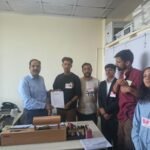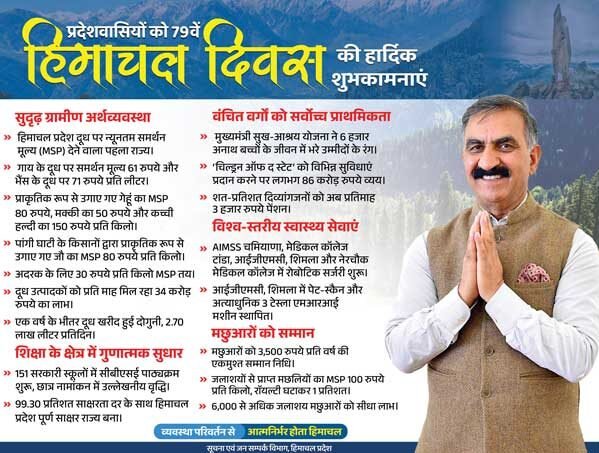

Photo used for indicative purpose only. Source: Internet
No contest, big money: Unopposed Panchayat poll drive reshapes Himachal’s grassroots politics
Shimla, Apr 12,
A high-stakes experiment in grassroots governance is unfolding across Himachal Pradesh as a government-backed cash incentive scheme for unopposed Panchayati Raj elections begins to reshape rural politics. What is being projected as a push for harmony and cost-effective democracy is, on the ground, triggering intense lobbying, backroom negotiations, and silent power struggles in villages that were once politically subdued.
Under the scheme rolled out by the Panchayati Raj Department, Gram Panchayats electing all representatives—including Pradhan and Up-Pradhan—without contest are eligible for Rs 10 lakh, while Panchayat Samitis and Zila Parishads stand to receive Rs 5 lakh and Rs 15 lakh respectively. The financial lure has shifted the focus from electoral competition to engineered consensus, with local influencers and dominant groups working overtime to finalise “acceptable” candidates and avoid polls altogether.
Across districts, informal caucuses and closed-door meetings have replaced open campaigning. While ballots may be absent, the contest has merely moved behind the scenes, often intensifying factional alignments and negotiations over who gets to represent the village.
Adding to the churn are stricter eligibility filters reportedly being enforced, with individuals linked to drug abuse, financial irregularities, forest encroachments, corruption, or misuse of funds under schemes like MGNREGA facing resistance. This has narrowed the candidate pool further, making consensus both more difficult and more politically loaded.
Also read:Encroachers barred from Panchayat Polls: Himachal HC order causes Statewide scrutiny of candidates
The development has started a deeper debate within rural communities. Supporters argue that unopposed elections ensure unity and unlock additional development funds without the divisiveness of campaigns. Critics, however, warn that the model risks diluting democratic choice, subtly discouraging dissent and consolidating power within select groups.
Interestingly, communities that earlier remained detached from political processes are now actively engaged in these negotiations, with discussions revolving around development priorities, fund access, and leadership credibility.
As Himachal heads toward Panchayati Raj elections, its villages present a striking paradox—outward calm concealing intense political maneuvering. Whether this cash-backed consensus model strengthens grassroots governance or undermines democratic competition remains to be seen, but the era of “sleepy” rural politics in the hill state appears decisively over.
About the Author

The HimachalScape Bureau comprises seasoned journalists from Himachal Pradesh with over 25 years of experience in leading media conglomerates such as The Times of India and United News of India. Known for their in-depth regional insights, the team brings credible, research-driven, and balanced reportage on Himachal’s socio-political and developmental landscape.