Altitude Influences drought patterns in Indus Basin: Study

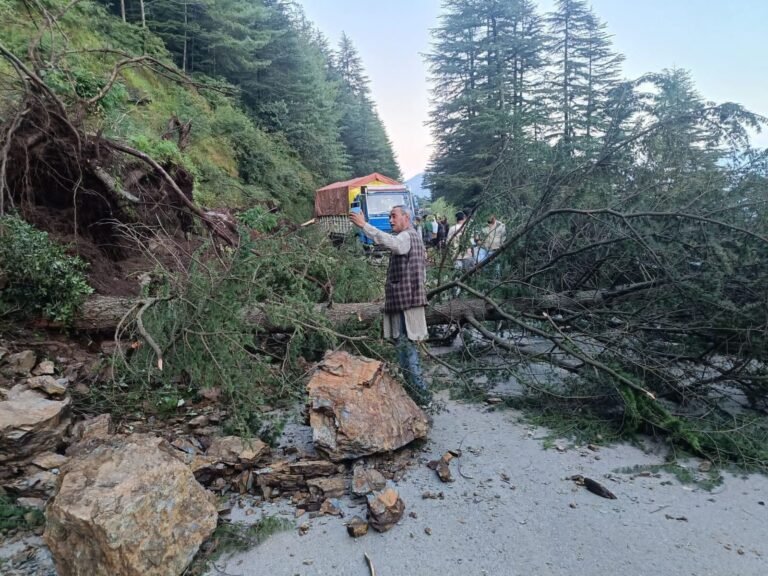
Photo used for indicative purpose only. Source: Internet
Altitude Influences drought patterns in Indus Basin: Study
Mandi, June 13
IIT Mandi researchers have made ground-breaking discovery concerning the relationship between drought occurrence and altitudinal variation in the Indus River Basin. Their findings, published in the esteemed journal Atmospheric Research, shed light on the critical link between elevation and drought characteristics, providing valuable insights into water management and climate adaptation strategies for the region.
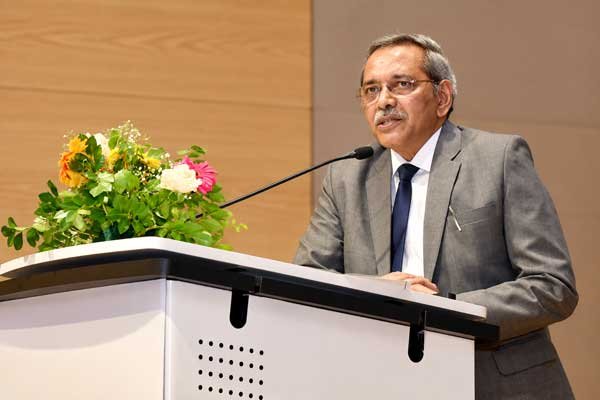
The study, led by Dr. Deepak Swami, Associate Professor at IIT Mandi’s School of Civil and Environmental Engineering, along with Dr. Vivek Gupta, Assistant Professor at the same institution, and Dr. Nitin Joshi from IIT Jammu, in collaboration with their Ph.D. scholar Mr. Amit Dubey, employed meteorological parameters to unravel the complex connection between elevation and drought in the Indus River Basin.
The researchers discovered a strong correlation between elevation and drought, with distinct wetting trends observed in low-lying areas and drying trends prevalent in the highlands. This groundbreaking understanding of the impact of elevation on drought is crucial for effective drought risk assessment and water management strategies.
Dr. Deepak Swami emphasized the significance of comprehending drought dynamics, stating, “With the increase in frequency of droughts in India over the past few decades, understanding drought trends in relation to elevation is crucial for effective water management and planning.”
High-altitude regions, known for their sensitivity to climate change impacts, such as droughts, require special attention. By analyzing the relationship between drought trends and elevation across different time scales, the researchers aim to predict droughts and formulate policies to mitigate their effects.
The focus of this study was the Indus River basin, a region of great importance for agricultural productivity and water supply in the Indian subcontinent. The wide range of elevations within the basin, spanning from 93 to 8,489 meters, provided an ideal setting for exploring the correlation between elevation and drought characteristics.
Using statistical techniques and extensive data on monthly precipitation, maximum and minimum temperatures spanning 42 years (1979–2020), the research team quantified drought patterns. They employed a drought indicator based on climatic water balance, an integral measure for understanding droughts.
Also read:IIT Mandi researchers develop metamaterial foundation for earthquake safety
Dr. Vivek Gupta shared the team’s discoveries, stating, “We observed a strong correlation between drought and elevation. Areas below 2,000 meters experienced wetting trends, while altitudes between 2,000 and 6,000 meters exhibited drying trends. Notably, elevations above 4,000 meters had a slower rate of drying.”
Moreover, the research highlighted the significant heterogeneity in drought trends across different seasons. Monsoon and post-monsoon seasons exhibited larger areas with wetting trends, while the pre-monsoon season saw a larger area with drying trends. The study also revealed that extreme drought frequencies in the region ranged from 0% to 5% from 1979 to 2020.
These insights have significant implications for India, where rain-fed agriculture dominates the highlands of the Indus River basin. The region’s topography poses challenges for water storage and proper irrigation infrastructure, making it vulnerable to water scarcity and reduced crop yields during dry periods. Understanding the effect of elevation on meteorological variables is crucial for formulating effective policies to mitigate the negative impacts of drought.
The findings of this study provide a solid foundation for policymakers, water resource managers, and climate adaptation strategists to develop targeted interventions and implement sustainable water management practices in the Indus River Basin and other similar regions around the world. By understanding the intricate relationship between altitude and drought, society can better prepare for the challenges posed by climate change and ensure the availability of water resources for future generations.
About the Author

The HimachalScape Bureau comprises seasoned journalists from Himachal Pradesh with over 25 years of experience in leading media conglomerates such as The Times of India and United News of India. Known for their in-depth regional insights, the team brings credible, research-driven, and balanced reportage on Himachal’s socio-political and developmental landscape.