HC order halts HRTC Kiarkoti route
Shimla, May 2
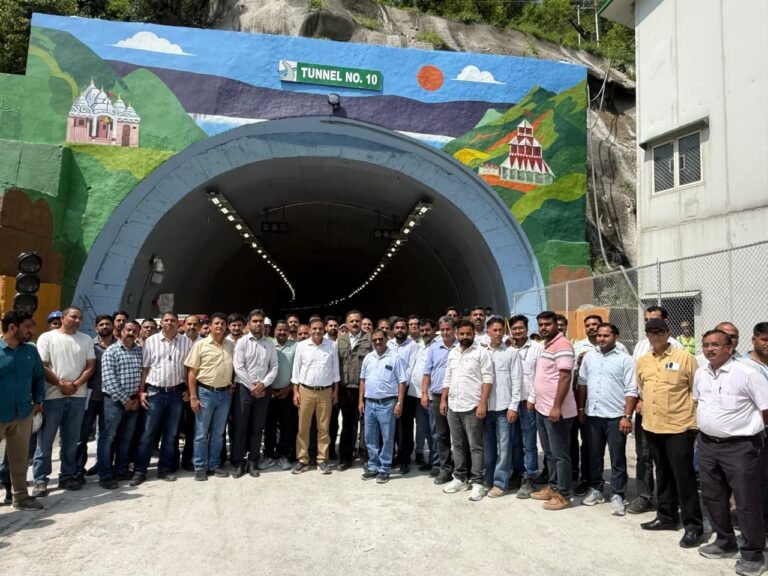
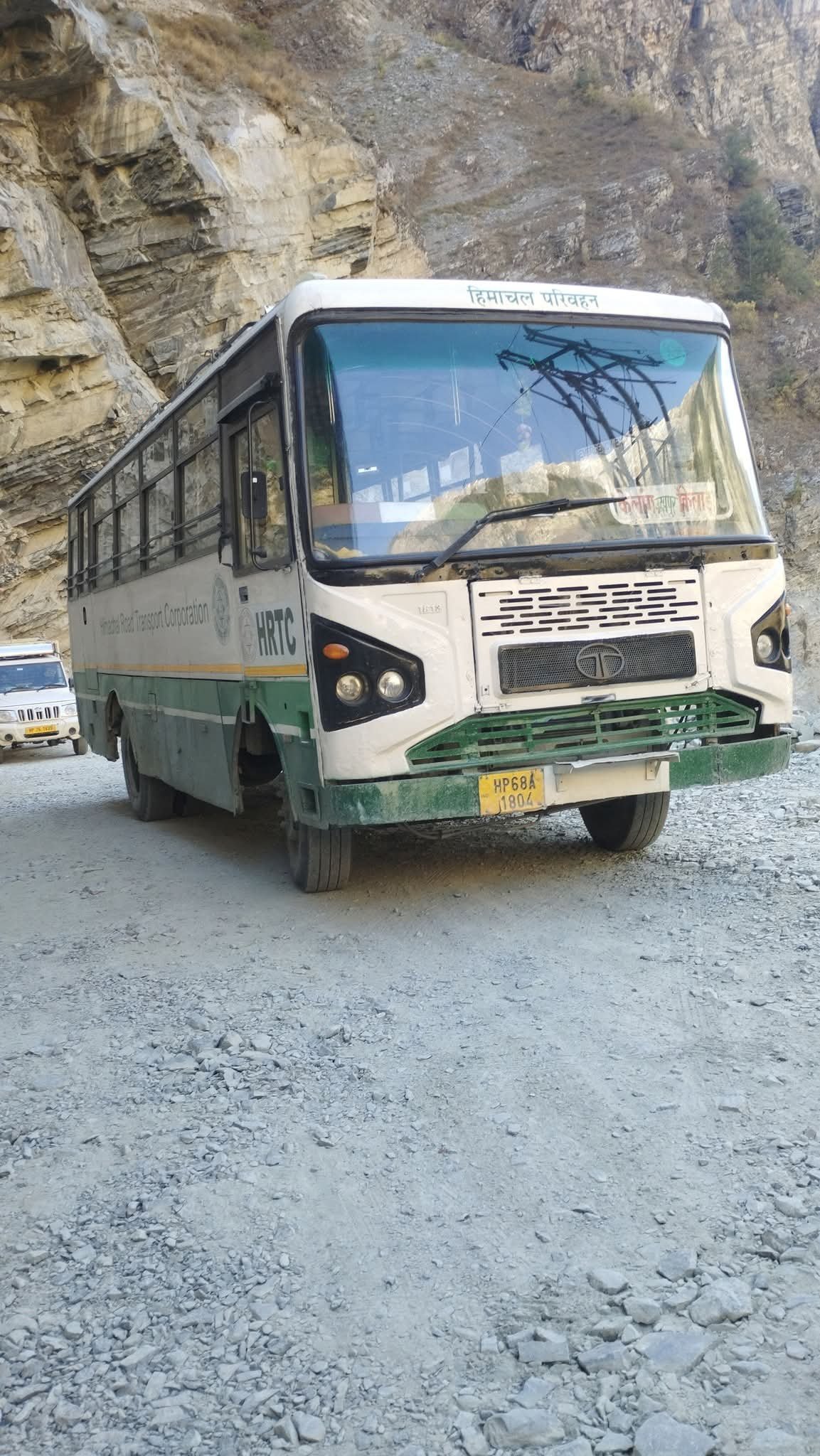
The Himachal Pradesh High court has directed the Himachal Road Transport Corporation (HRTC) to immediately stop operating its bus service on the Auckland Tunnel–Cheri–Kiarkoti–Neri route, citing violation of permit norms.
The direction came from a single bench of Justice Jyotsna Rewal Dua CWP No. 4712 of 2026 (Nand Lal vs State of H.P. & others), decided on April 29, 2026 (pages 1–4 of the order).
The petitioner, a private operator, argued that his duly permitted Poabo–Dummi–Bont–ISBT Tutikandi route was being adversely affected by an overlapping HRTC service operating at a similar time. He further contended that HRTC lacked a valid route permit.
The Regional Transport Authority (RTA), Shimla, confirmed before the court that no permit had been issued to HRTC for the Auckland Tunnel–Kiarkoti–Neri route.
The Regional Manager, HRTC Dhalli, admitted the lapse and undertook to stop the service immediately.
Accepting the statement, the court ordered that the bus “should not be plied unless requisite permissions and approvals are granted.”
Wider impact on public transport
The withdrawal of the Auckland Tunnel–Cheri–Kiarkoti–Neri service also carries clear political overtones. The route falls within the constituency represented by Anirudh Singh, who currently holds the Rural Development and Panchayati Raj portfolios. In hill constituencies, public transport is not merely a mobility service but a key political touchpoint, often reflecting the government’s outreach in remote areas.
Recently Routes such as Shimla–Rampuri Neri and Shimla–Mamligh have also reportedly seen service withdrawals in recent months.
This shift is increasingly creating operational space for private bus operators, who are stepping in to service these routes under valid permits.
While private players benefit from reduced competition, the impact on commuters remains mixed.
In interior areas of Shimla Rural and Kasumpti constituencies, HRTC has traditionally been the primary lifeline, especially for students, daily wage earners, and elderly passengers due to its wider network and concessional fare structure.
The withdrawal of state-run buses could lead to higher dependence on private transport, where fare regulation and service frequency may vary.
At the same time, transport officials maintain that enforcement of permit rules is essential to ensure orderly and lawful operations, preventing route overlaps and unfair competition.
The case highlights the continuing tension between public and private transport operators in Himachal Pradesh, with regulatory compliance now emerging as the decisive factor shaping route operations.
About the Author