Kashmiri migrants ” Khans” backbone of Shimla get free health check up
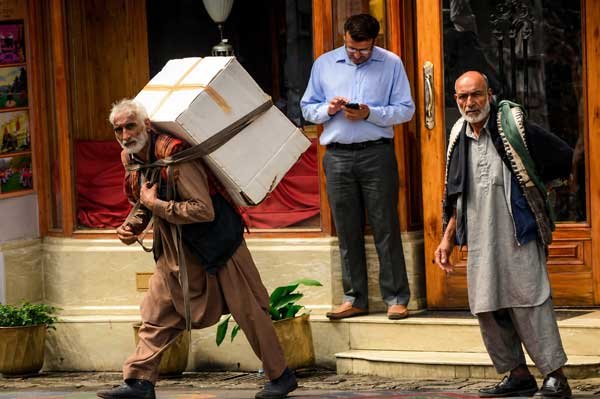
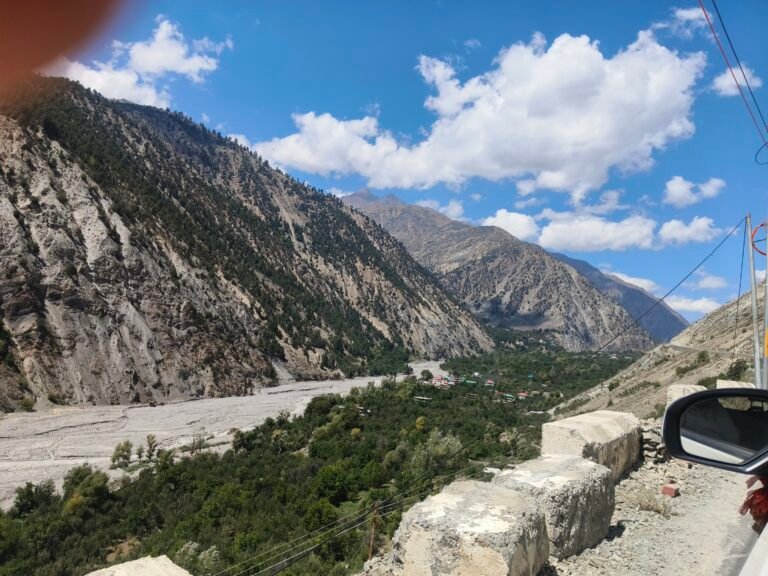
Photo used for indicative purpose only. Source Internet
Shimla, Apr 27,
At a time when concerns over social exclusion and economic vulnerability among migrant labourers are increasingly entering public discourse, a modest yet meaningful initiative in the hill town Shimla offered a measure of relief.
A KAASH Foundation organised a free medical and awareness camp for Kashmiri Khan migrant labourers at Jama Masjid Shimla, reaching out to a community that quietly sustains much of Shimla’s daily tourism economy.
The Kashmiri Khans—largely migrant porters—earn their livelihood by manually carrying heavy luggage, arranging transport, and supplying essential goods across the town’s steep terrain. Despite their indispensable role, many remain on the margins, with limited access to healthcare and welfare schemes.
Years of physical strain often leave them battling chronic ailments such as spinal injuries, joint pain and cardiac issues, frequently untreated due to financial constraints.
Talking about the activity Mushtaq, a Kashmiri Khan porter, commented, ” this camp has addressed our personal pain and sufferings for the first time ever,” he stated.
Also read:Kashmiri shawl sellers harassed in Himachal, threatened to leave the State: J&K Students Association
The camp, guided by findings of a recent field study conducted by Dr. Avkash Jadhav during his fellowship at Indian Institute of Advanced Study, focused on direct engagement with the workers. Medical experts, including Dr. Narendra Mahajan and Dr. Mohammad Shahnawaz Hasan, provided consultations, preventive health advice, and awareness on schemes such as Ayushman Bharat and Himcare.
Over 30 workers attended the camp, many voicing their struggles and long-ignored health concerns. The doctors also assured continued support, including free consultations, medicines and assistance with diagnostic tests at Indira Gandhi Medical College.
For many participants, the camp was more than medical aid—it was recognition. As one worker expressed, it was perhaps the first time their hardships were heard with empathy.
About the Author